
Print Date: November 7, 2026 ||
Publish Date: November 7, 2026
NCP Faces Internal Turmoil as Senior Women Leaders Resign Over Jamaat Alliance
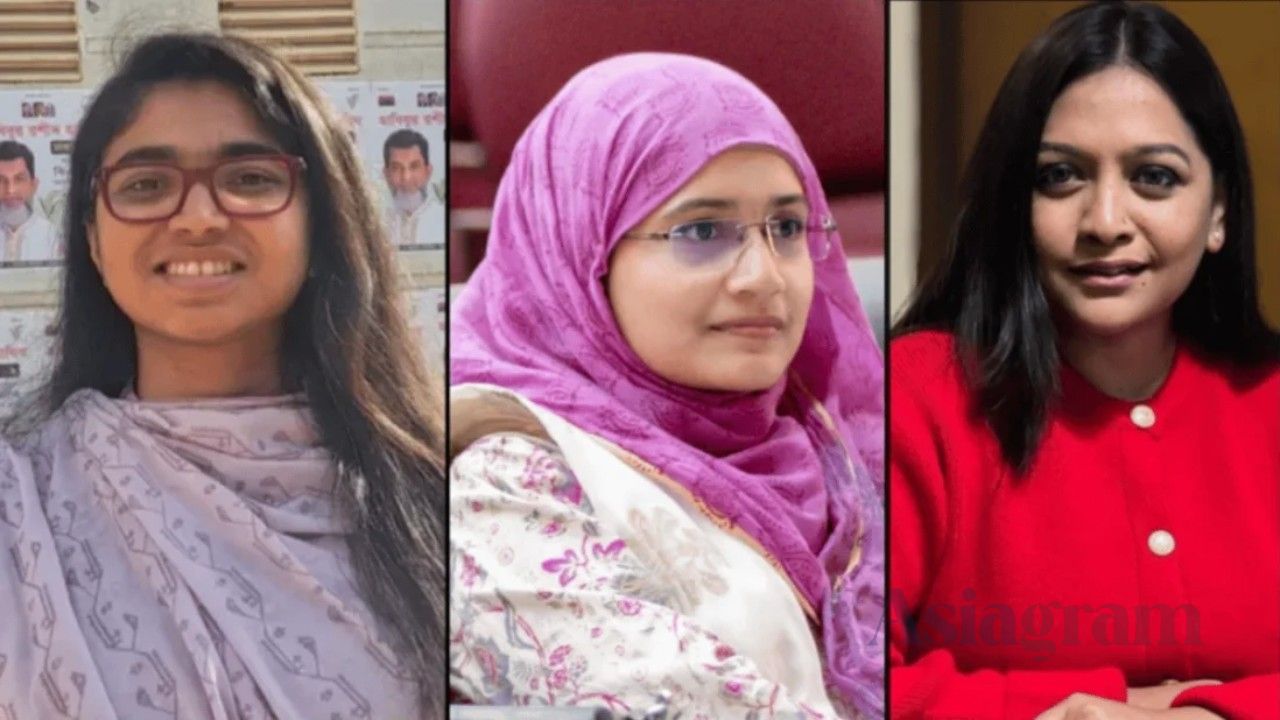 Md. Monir Hossain Patwari, Reporter ||
A series of high-profile resignations by women
leaders has exposed growing divisions within the National Citizen Party (NCP),
with former leaders raising concerns over its political alliance with
Jamaat-e-Islami, internal democracy and the marginalisation of women in the
party.The National Citizen Party (NCP) is facing
mounting internal criticism following the consecutive resignations of several
senior women leaders, who have questioned the party's political direction,
organisational decisions and commitment to gender equality.The departing leaders have raised serious
allegations, including the party's alliance with Bangladesh Jamaat-e-Islami,
the restructuring of its central committee without a council and what they
describe as the growing marginalisation of women in its leadership.The latest resignation came on Thursday (November
5), when Samanta Sharmin, one of the founding senior leaders of the NCP,
announced her decision to step down from the post of joint convener.Earlier, senior joint member secretary Dr Tasnim
Jara and joint convener Tajnuba Jabeen had also resigned, opposing the
seat-sharing arrangement and electoral alliance with Jamaat during the 13th
parliamentary election.Samanta's departure, just nine months after the
election, has once again brought the party's internal disagreements and
longstanding dissatisfaction over its Jamaat alliance into the spotlight.Samanta
Questions Party's Political DirectionIn a lengthy social media post explaining her
decision, Samanta Sharmin alleged that the NCP was losing its independent
political identity due to an unclear political position and was increasingly
falling within Jamaat's sphere of influence.She argued that the party was gradually playing a
supportive role for Jamaat on various political issues rather than developing
an independent political agenda.Samanta, who had strongly opposed an alliance
with Jamaat just a year earlier, also criticised what she described as the
party's compromise with conservative political forces that oppose women's
rights.She said the NCP had an opportunity to establish
a new political culture based on equality and inclusiveness but had failed to
do so.She also questioned the committee restructuring
carried out on October 23 without holding a party council. According to her,
the controversial reshuffle was undemocratic, particularly as she was
downgraded from senior joint convener to joint convener.The successive departures of prominent women
leaders have sparked debate over whether the relatively new party is losing its
political distinctiveness and failing to maintain space for women in its
decision-making structure.NCP
Leadership Calls Resignations a Normal Political ProcessNCP Senior Joint Member Secretary Asif Mahmud
Sajeeb Bhuiyan described the resignations as part of the normal dynamics of
politics.He said the alliance was formed as a political
strategy and that disagreements among party members, including decisions to
leave the organisation, were not unusual.Regarding the committee restructuring, Asif
Mahmud said the changes were made to accelerate organisational activities and
reactivate positions that had become ineffective.He also said the party plans to announce a new
full-fledged committee through a formal council between January and March 2027.Party
Denies Growing JamaatisationNCP Joint Convener Monira Sharmin rejected
allegations that the party was undergoing a process of
"Jamaatisation" because of its alliance with Jamaat-e-Islami.She said the two parties had maintained strategic
unity on issues such as reforms and justice, but the NCP had continued to
uphold its independent positions in parliament on various policies and bills.Monira also dismissed claims that the party was
facing a crisis of women's leadership.She argued that numerous women leaders remained
active at the grassroots level and that the departure of a few prominent
figures did not necessarily indicate a wider decline in women's participation
within the party.The contrasting positions of former leaders and
the current leadership have left the NCP facing questions over its political
identity, internal democratic practices and commitment to inclusive leadership.
 Print Now
 Save Image