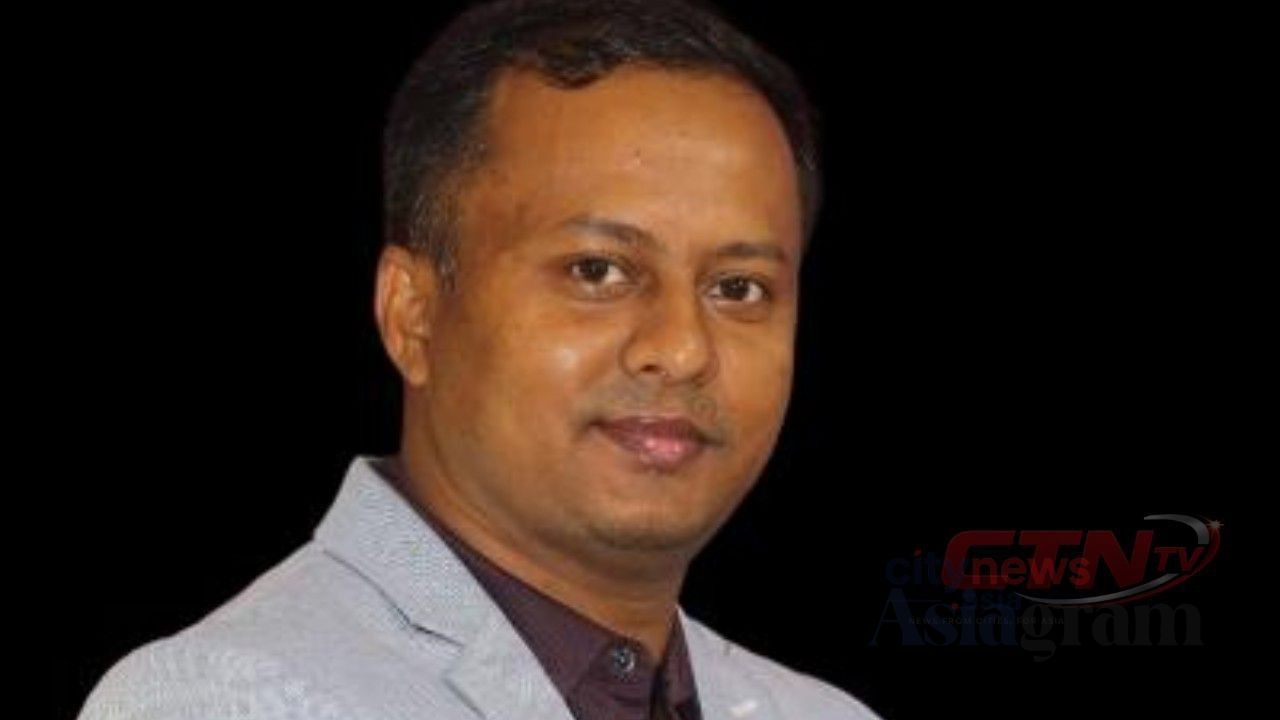
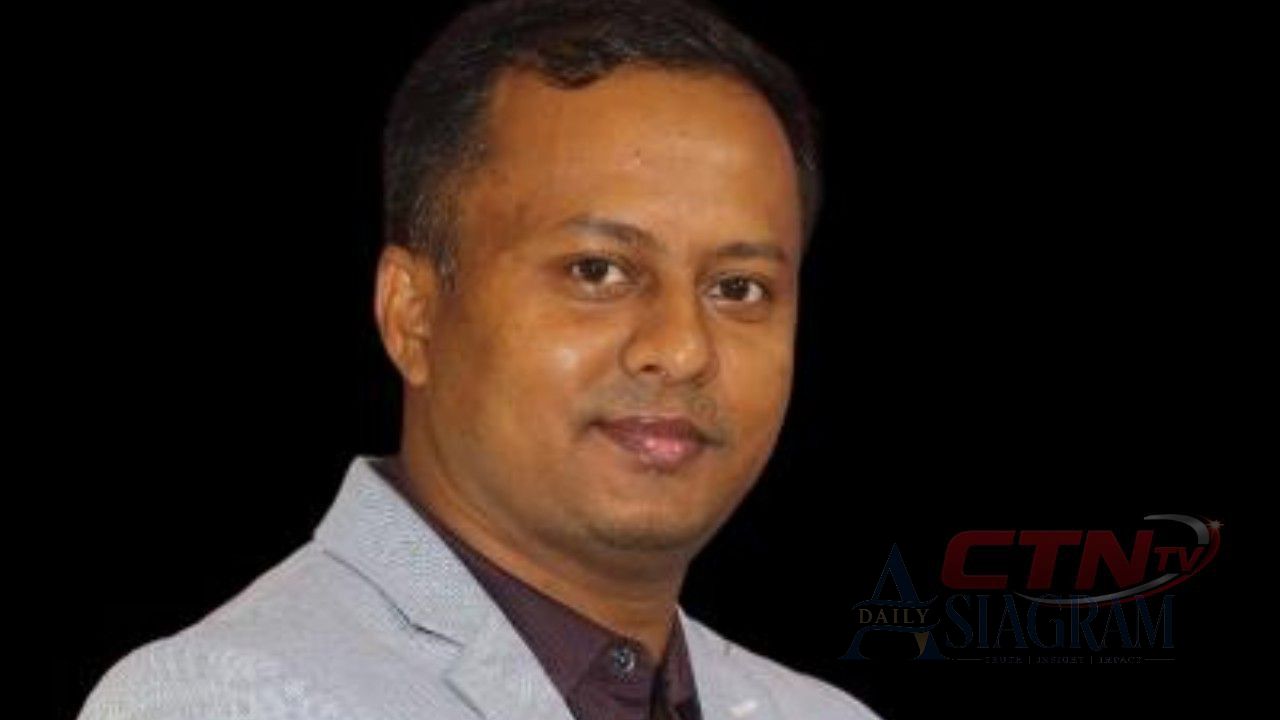
Md Rakibul Islam, AGM of Bhaya Broadcast Limited, is celebrating his birthday today.On the occasion, colleagues and well-wishers have extended their warm greetings and best wishes to him, wishing him good health, long life and continued success in his professional career.Rakibul Islam is regarded by his colleagues as a responsible and sincere professional who values teamwork and maintains a cooperative relationship with those around him. His experience and sense of responsibility are considered important to the organisation’s various activities.Colleagues Extend GreetingsColleagues have wished Rakibul Islam good health, longevity and continued professional success on his birthday.Md. Polash Tushar Pathan, a colleague of Rakibul Islam, said, Rakibul Islam is a responsible, sincere and cooperative professional. His commitment to his work and his positive approach toward colleagues are highly appreciated. I wish him good health, happiness and continued success on his birthday. I hope he will continue to contribute to the growth and development of Bhaya Broadcast Limited in the years ahead.According to his colleagues, Rakibul Islam performs his responsibilities with a strong sense of commitment and gives importance to the interests of the organisation while maintaining a supportive working environment.Expectations for the FutureOn his birthday, colleagues expressed hope that Rakibul Islam will continue to strengthen his professional skills, integrity and leadership capabilities and take on greater responsibilities in the future.They also expect him to keep pace with technological and professional changes and contribute further to the growth and development of Bhaya Broadcast Limited.His colleagues wished him good health, long life, personal happiness and continued professional success, hoping that the coming years will bring him greater achievements.
সহজ ও দ্রুত খবরের আপডেট পেতে আমাদের অ্যাপটি ইন্সটল করুন।