Election-related activities
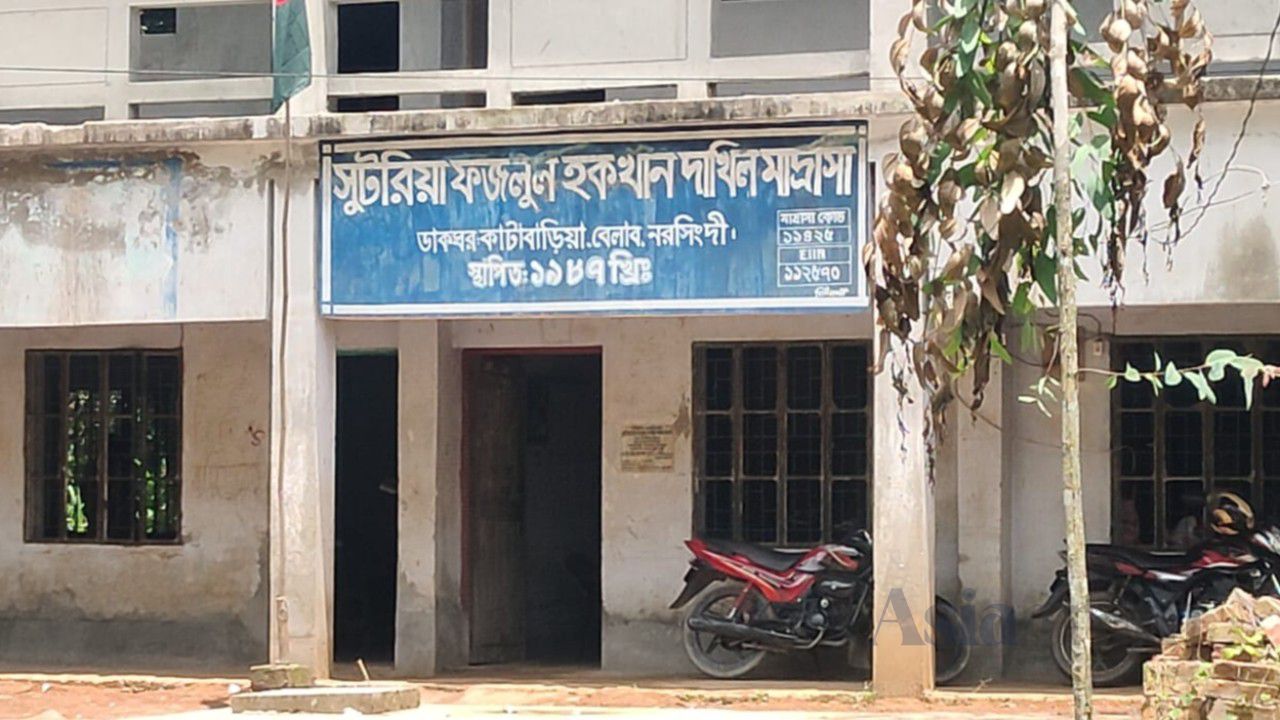
and discussions over potential candidates have begun in Bajnab Union of Belabo
upazila in Narsingdi ahead of the upcoming Union Parishad election.Among the names being
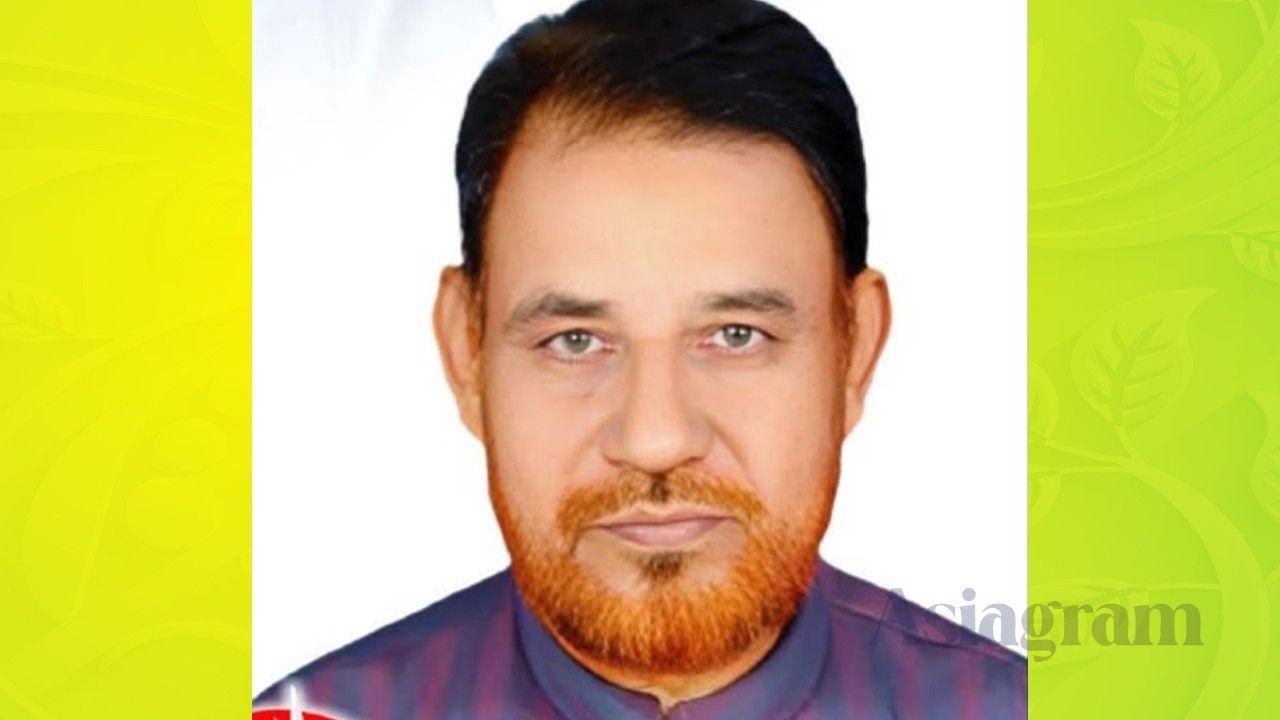
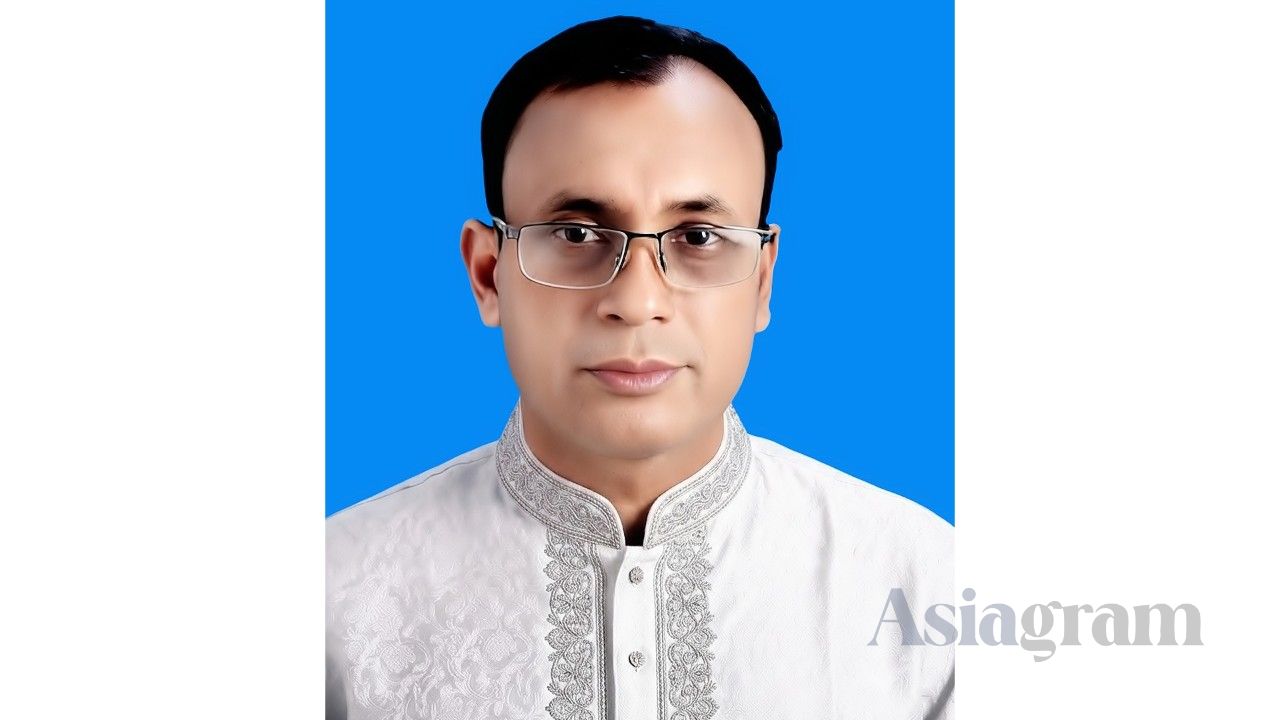
discussed for the chairman post is Md
Emad Mia, general secretary of the Bajnab Union unit of BNP.
Local residents said his name has gained attention through discussions in the
area and his public outreach activities.According to local residents,
Emad Mia is known in the area as a trusted leader of Health and Family Welfare Minister Sardar Md
Sakhawat Hossain Bokul. They said he has regularly stood beside
poor, distressed and working-class people in various situations. A section of
local residents said they want to see him as chairman.Locals also said Bajnab Union
has long required improvements in communication, healthcare and other public
services. They said they expect people-oriented and honest leadership to
address the union's development needs.What locals sayRahmat Ali, a day labourer and
resident of Bir Baghber village in Bajnab Union, said Emad Mia stands beside
people throughout the year, not just during elections.Emad bhai does not come
forward only during election time. He stands beside us whenever we are in trouble.
When we take patients to hospital, he helps arrange quicker treatment by
identifying himself as someone close to the minister. We want a caring person
like him as chairman this time, he said.Fatema Begum, a female voter from
the same area, said Emad Mia does not discriminate among people.He has good relations with
senior people. If he becomes chairman, we hope roads and drainage facilities in
this neglected union will improve. We are with him, she said.Emad Mia's statementSpeaking about his election
preparations and public outreach, Md
Emad Mia said he was not involved in politics for personal
ambition but to serve the people.I do not do politics for the
desire for a position. I do politics to serve the people. Under the guidance of
our respected Health Minister Sardar Md Sakhawat Hossain Bokul bhai, I have
always been in the field fighting for the rights of ordinary people, he said.He said that if the people
entrusted him with the responsibility, he would work to make Bajnab Union a corruption-free, drug-free and modern union.
Improving rural roads, ensuring safe drinking
water for people in neglected char areas and bringing basic healthcare services
to people's doorsteps will be my main priorities, he said.
6 hours ago