
These opportunities and the latest technologies
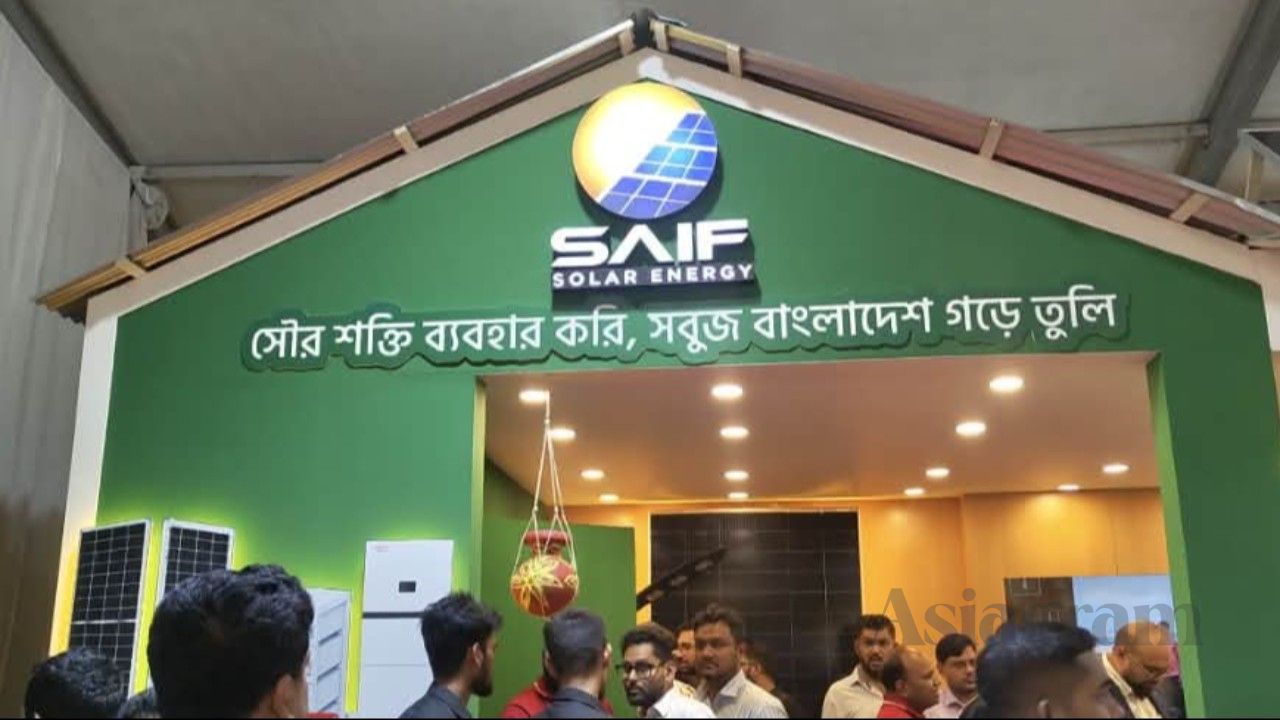
were showcased at the two-day Bangladesh Solar Expo 2026, held at the
Bangladesh-China Friendship Conference Centre in the capital. The exhibition
began on November 3 and concluded at 7:00pm on Wednesday, November 4.
Government and private sector organisations
participated in the expo with numerous stalls displaying solar panels,
inverters, batteries and modern electricity storage technologies. Visitors
explored the products and learned about their applications, prices and benefits
from company representatives.
Stakeholders said installing solar panels on the
rooftops of homes, factories and commercial buildings could help meet a portion
of electricity demand. This would reduce dependence on conventional
electricity, lower costs and decrease the use of fossil fuels.
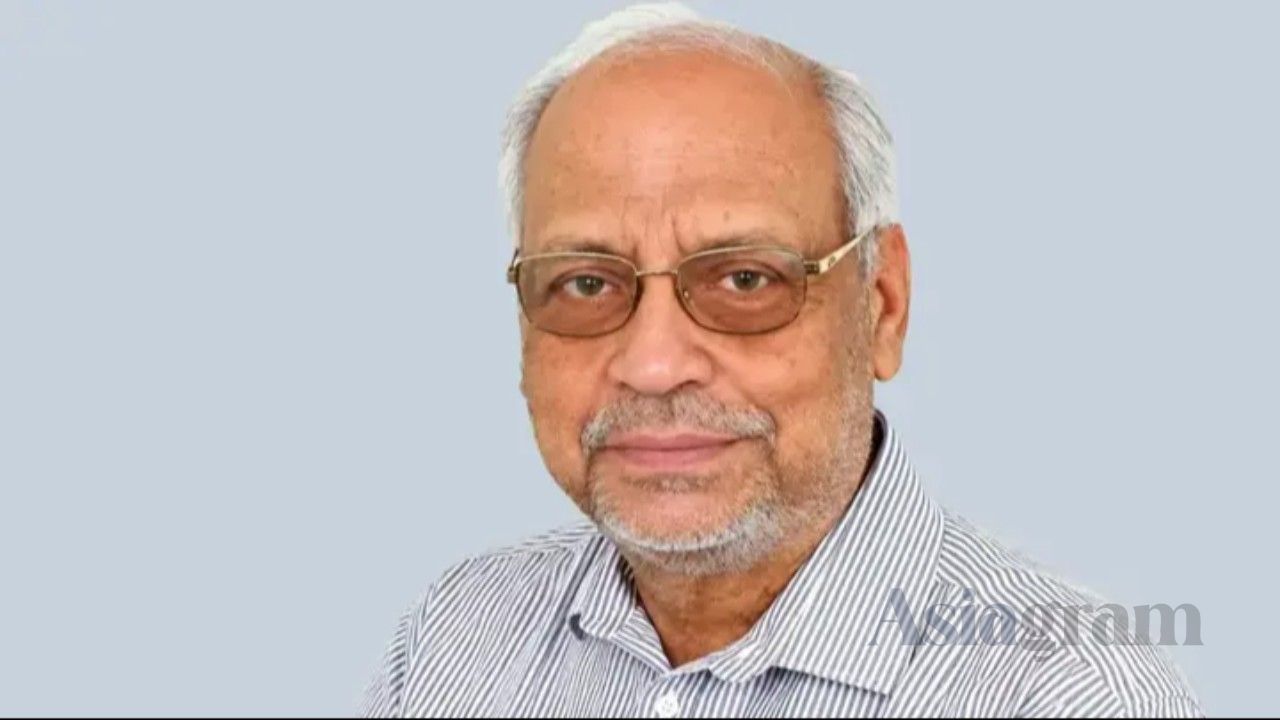
Mohiuddin Mostafa Kamal, deputy general manager
of the HR and Administration Division at Dhaka Electric Supply Company Limited
(DESCO), said solar power could help consumers save on electricity costs in the
long run.
Under the net metering system, he said, consumers
could supply surplus electricity to the national grid and have it adjusted
against their electricity consumption, subject to applicable technical requirements
and regulations.
An official of a private solar energy company
said modern solar panels, inverters and batteries had made it possible to use
solar power in a wide range of settings, from residential buildings to
industrial facilities. Increased use of the technology could help save
electricity and contribute to environmental protection, the official added.
Visiting the expo, Matin Sagor, chief executive
officer of ECOVA Foundation, said solar energy had significant potential in
Bangladesh's climate-vulnerable coastal regions.
He said solar-powered irrigation, safe water
supply, agricultural product preservation and small-scale businesses could
benefit from wider use of the technology, helping improve the livelihoods of
local communities.
Matin Sagor also stressed the need for
coordinated efforts by government and private organisations, development
agencies and investors to expand renewable energy. Affordable technology,
accessible financing and technical training would be essential to ensuring that
coastal and disadvantaged communities could benefit from solar power, he added.
Stakeholders said raising public awareness,
ensuring quality technology and expanding access to affordable financing were
essential to increasing solar energy use in Bangladesh. Such efforts could ease
pressure on the national electricity system while promoting cleaner and more
sustainable energy.
Wednesday, November 4, 2026
Published Date : November 4, 2026