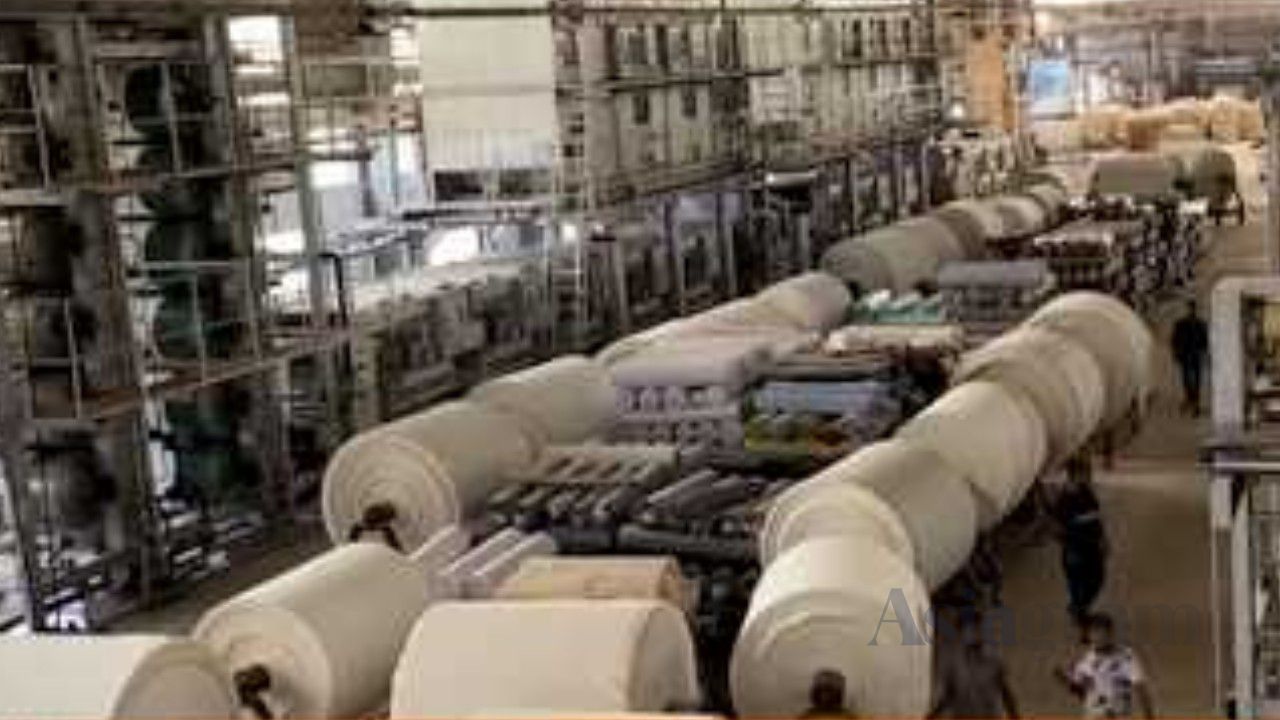
Narsingdi Industrial Belt Hit by Severe Gas, Power Crisis; Daily Losses Reach Tk 500cr
Narsingdi’s
industrial belt is facing a severe gas and electricity crisis, disrupting
production at hundreds of textile, dyeing, printing, spinning, ceramic and
other medium- and large-scale factories.Industrialists and
business leaders estimate that the ongoing energy crisis is causing losses of
around Tk 400–500 crore every day in the district’s industrial zones. They fear
prolonged disruption could make it difficult for factory owners to pay workers
and employees regularly.The crisis has
intensified following an accident at an LNG terminal in Maheshkhali, which
disrupted gas supplies. At the same time, increased load-shedding has further affected
industrial operations.Narsingdi is one of
Bangladesh’s major industrial hubs, with more than 3,000 textile, dyeing and
spinning mills. A significant portion of the country’s fabric demand is met by
factories in the district.Anisur Rahman
Bhuiyan, director of Bhuiyan Textile and Calender Mills, said production at his
factory has been almost completely suspended for around two weeks due to the
gas shortage.“We need at least
10 PSI of gas pressure to operate the factory, but we are receiving only 1–2
PSI. At night, we manage to operate for one or two hours using cylinder gas,”
he said.Nizam Uddin Bhuiyan
Liton, chairman of the Bangladesh Textile Dyeing and Printing Association,
Narsingdi, said nearly 80 percent of mills in Narsingdi and Madhabdi have been
forced to shut down because of the gas and electricity shortages.Abdullah Al Mamun,
a spokesperson for the Bangladesh Textile Mills Association (BTMA), said the
industrial zone is losing Tk 400–500 crore every day.“Earlier, we used
to describe the situation as a shortage of gas and electricity. Now, it has
reached almost zero availability,” he said.Factory owners said
production has come to a standstill, resulting in a sharp decline in sales and
revenue. They are now increasingly concerned about their ability to pay workers
and employees.Business leaders
warned that if gas and electricity supplies are not restored quickly, the
crisis could deepen further in one of the country’s most important industrial
regions.