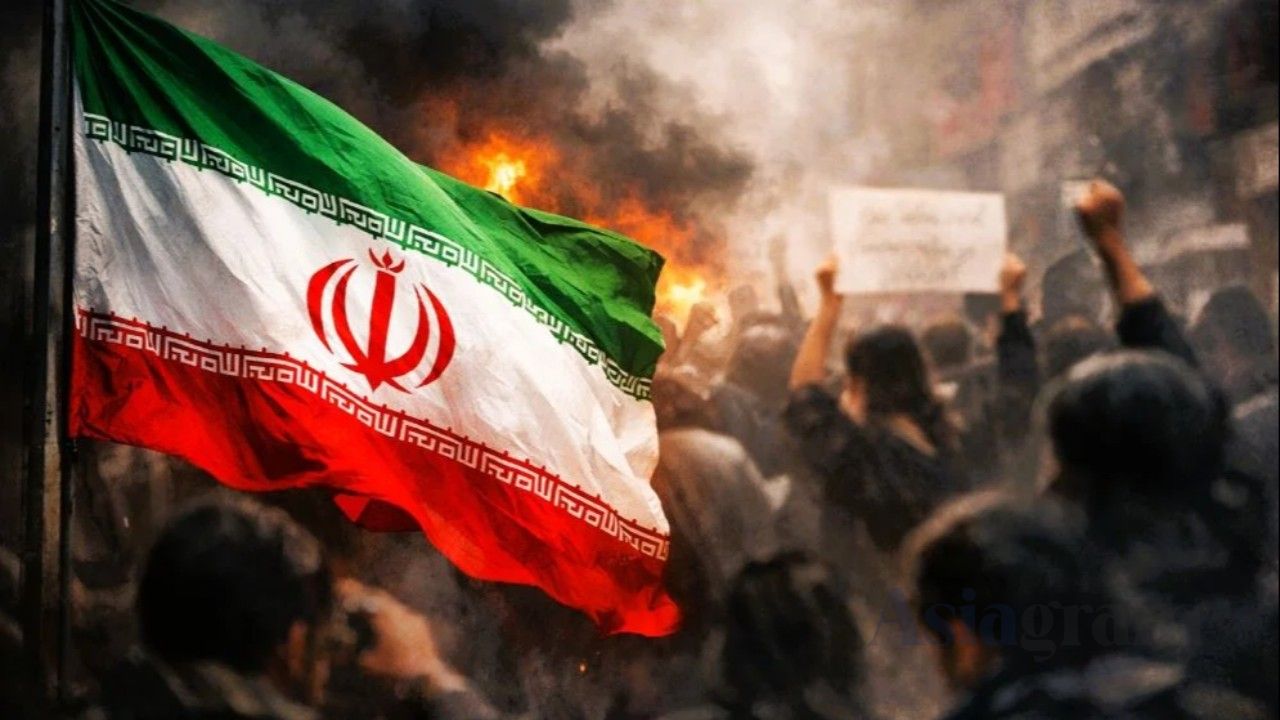
Iran Prepares for All-Out War, Warns US and Israel
Iran has announced preparations for an all-out
war amid rising tensions in the Middle East, with a senior security official
warning that Tehran has made a “final decision” to respond to any aggression,
assassination or covert operation against the country.The official said Iran would show no restraint in
responding to any new attack.In an interview with Iran’s state-run Press TV on
Wednesday, the official said the country’s armed forces were fully prepared for
a potential conflict. He warned that Iran could target not only those
responsible for an attack but also their interests and affiliated targets
across the region.The remarks suggest that Iran is prepared to
expand the scope of any retaliation beyond its own territory, potentially increasing
the risk of a wider regional confrontation.Tehran
views US and Israel as a joint military forceThe Iranian security official claimed that Tehran
did not believe the United States would attack Iran without Israel, or that
Israel would launch such an operation without American support.He described the idea that either country could
independently wage a war against Iran as a “bitter joke”.The official also argued that public threats of
military action against Iran by US and Israeli officials had provided Tehran
with what it considers legal and moral grounds to take necessary defensive
measures. These statements reflect the Iranian official’s position and have not
been independently verified.Israel
considers renewed strikes on IranAmid Iran’s warnings, Israel is reportedly
preparing for the possibility of another major military campaign against the country.
Israeli Prime Minister Benjamin Netanyahu has supported resuming large-scale
strikes against Iran.In early October, the Israeli military prepared
plans targeting Iranian infrastructure, nuclear facilities and sites linked to
the country’s leadership. However, the plans did not proceed following
objections from US President Donald Trump.Meanwhile, diplomatic talks between Washington
and Tehran remain at an impasse ahead of the US midterm elections.According to reports citing officials, US
officials believe Tehran is slowing the pace of negotiations in an effort to
secure concessions from Washington and weaken Trump’s political position.Iran
demands confidence-building measures before talksAlongside its military warnings, Tehran has
adopted a firm stance on diplomatic engagement with Washington.Mohsen Rezaei, secretary of Iran’s Supreme
National Security Council, said on Tuesday that Iran would not enter talks with
the United States until Washington took steps to build trust. According to his
remarks, Iran’s conditions must be met before negotiations can begin.Iranian Parliament Speaker Mohammad Bagher
Ghalibaf has also said Washington must fulfil seven conditions set by Tehran.He argued that the United States had put itself
in a difficult position by starting a war with Iran and that Washington must
take the necessary steps to resolve the crisis.According to the information cited in the report,
a 14-point Islamabad memorandum signed by the Iranian and US presidents in June
envisaged a gradual reopening of the Strait of Hormuz in exchange for ending
hostilities on all fronts and lifting the blockade and sanctions imposed on
Iran.However, the current implementation status of the
memorandum and its conditions has not been independently verified in the
information available.Fears
of a wider regional conflictIran’s warning of preparations for an all-out war
has raised concerns that any renewed confrontation could spread beyond a direct
conflict between Iran and Israel.Tehran has indicated that US interests in the
region, as well as facilities belonging to parties supporting attacks against
Iran, could become targets of retaliation.Such a scenario could threaten energy supplies,
maritime transport and international trade across the Gulf region. The Strait
of Hormuz is a critical route for global energy shipments, and any escalation
there could disrupt shipping and affect oil markets.However, Iran’s announcement of military
preparedness does not necessarily mean that a new war is inevitable. The statement
could serve several purposes, including deterring adversaries, signalling
military resolve or strengthening Tehran’s position in potential negotiations.The course of the crisis will depend on military
developments, possible retaliatory strikes and progress in diplomatic efforts.Sources:
Press TV, Reuters and the Financial Times.