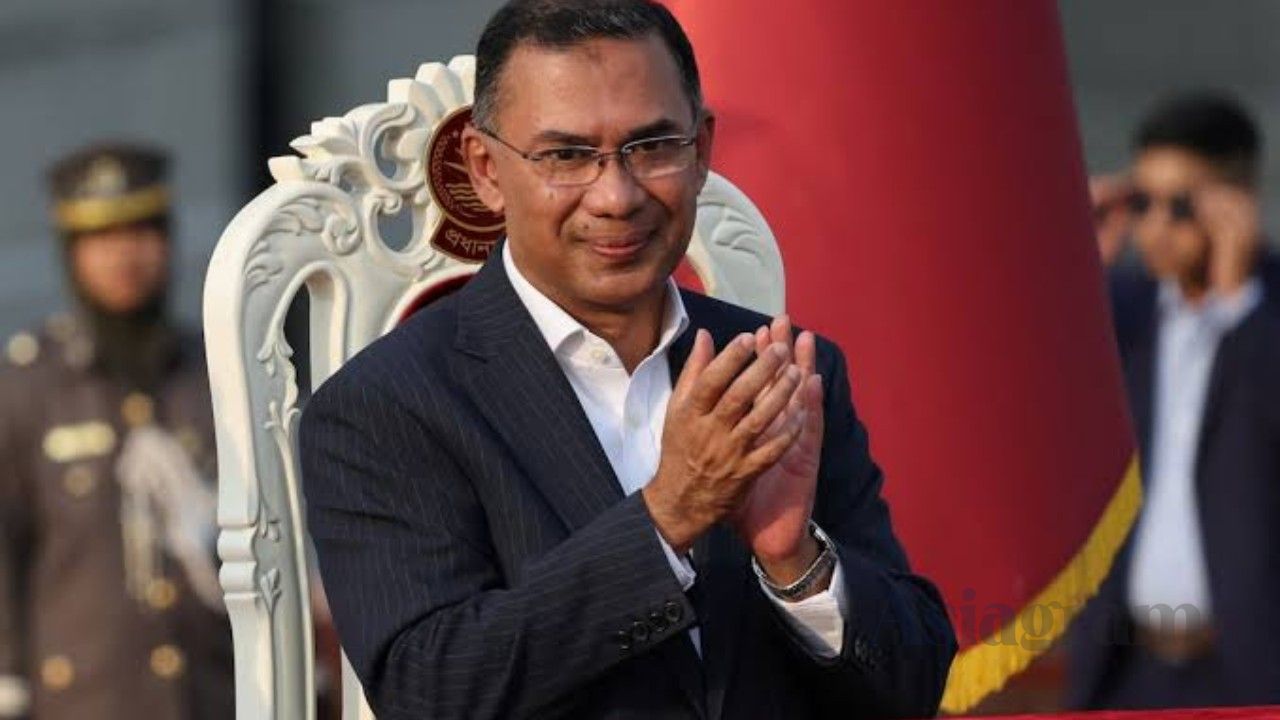
Prime Minister Tarique Rahman is scheduled to visit Khulna and Bagerhat on Thursday (October 22) to assess tourism prospects in the Sundarbans, commercial activities at Mongla Port and investment opportunities in a proposed economic zone, the BNP Media Cell said on Wednesday.The visit has raised expectations across the southwestern region, where residents hope that coordinated development initiatives will attract investment, create jobs and strengthen the local economy.According to the itinerary, the prime minister will leave Dhaka by helicopter on Thursday morning and observe the Sundarbans and Hiron Point. He will then land at the field of Nalian Secondary School in Dakop upazila of Khulna.From there, he is scheduled to travel by waterway to Mongla Naval Base. After a midday break, he will visit the jetty at Mongla Port and the proposed economic zone of the Bangladesh Economic Zones Authority (BEZA) in the afternoon.Investment and employment opportunitiesThe visit is expected to focus on Mongla Port’s commercial operations, infrastructure development and the potential for investment and job creation around the proposed economic zone.The Sundarbans, a UNESCO World Heritage Site, is an important natural asset for biodiversity conservation and tourism. Mongla Port, meanwhile, serves as a key gateway for Bangladesh’s international trade.Combining the region’s tourism potential with port development and an economic zone could help attract domestic and foreign investment, encourage industrial growth and create employment opportunities for local communities.A three-tier security arrangement has been put in place across the Sundarbans, Dakop and Mongla Port areas ahead of the prime minister’s visit.According to people familiar with the region’s development prospects, coordinated planning, adequate infrastructure and an investment-friendly environment will be essential to realising its economic potential.They believe that effective implementation of development initiatives could bring significant economic benefits to southwestern Bangladesh.Hopes rise for Khan Jahan Ali AirportThe visit has also renewed local expectations regarding broader infrastructure development in the coastal region, including the long-awaited opening of Khan Jahan Ali Airport.Residents hope that effective initiatives to develop tourism in the Sundarbans, expand Mongla Port’s capacity and establish the proposed economic zone will attract more investment and generate new employment.They also expect these initiatives to boost local businesses and accelerate economic activity across the region.
সহজ ও দ্রুত খবরের আপডেট পেতে আমাদের অ্যাপটি ইন্সটল করুন।