Sunday, August 2, 2026
Daily Asiagram

View Archive

LPG Cylinder Price Increased by Tk 70, 12kg Cylinder Now Costs Tk 1,598

LPG Cylinder Price Increased by Tk 70, 12kg Cylinder Now Costs Tk 1,598

The price of a 12-kilogram liquefied petroleum gas (LPG) cylinder used for cooking has been increased by Tk 70. According to the new rate set by the Bangladesh Energy Regulatory Commission (BERC), the price of a 12kg LPG cylinder is now Tk 1,598, up from Tk 1,528.BERC announced the revised price on Sunday, stating that the new rate came into effect from 6:00pm on the same day. The retail price of private LPG has been fixed at Tk 133.15 per kilogram at the consumer level.The commission said the price adjustment was made considering the rise in international prices of propane and butane, shipping costs, trader premiums and fluctuations in the US dollar exchange rate.According to the new pricing structure, a 5.5kg LPG cylinder will cost Tk 732, while a 15kg cylinder has been set at Tk 1,997. The price of the largest 45kg cylinder has been fixed at Tk 5,992.


Shah Mohammad Mosque of Egarasindur: A Living Testament to Bengal’s Architectural Heritage

Shah Mohammad Mosque of Egarasindur: A Living Testament to Bengal’s Architectural Heritage

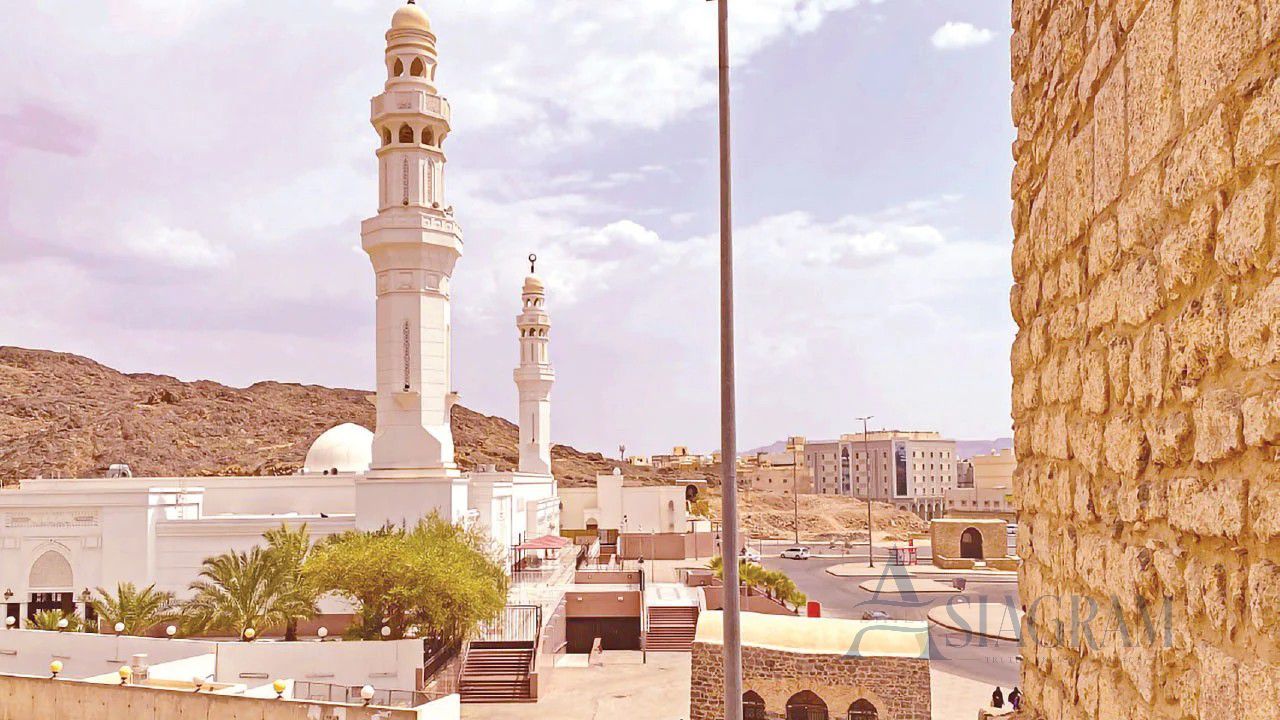
The history of Bengal is filled with countless memories scattered across different regions. Somewhere there are ancient forts, somewhere temples, and elsewhere centuries-old mosques—structures that are not merely buildings, but living documents of a nation’s history, culture and architectural heritage. Recently, I had the opportunity to visit the historic Egarasindur village in Pakundia Upazila of Kishoreganj district. Standing before the Shah Mohammad Mosque and its traditional gateway known as ‘Balakhana’, I realised how many valuable heritage sites still silently carry the testimony of our glorious past.According to historical sources, Shah Mohammad Mosque was built around 1680 AD during the reign of Mughal Subahdar Shaista Khan. The mosque was constructed by Sheikh Mahmud, a wealthy merchant of Egarasindur at that time. Named after its founder, the mosque is locally known as Shah Mahmud Mosque or Shah Mohammad Mosque. It is also listed in UNESCO’s catalogue of Muslim architectural heritage as the “Shah Mohammad Mosque”.Once, Egarasindur was a fortress city of Isa Khan, one of the prominent leaders of the Baro-Bhuiyans, and an important trading centre of eastern Bengal. Located along major river routes, the region developed into a prosperous settlement with thriving commerce and remarkable examples of Islamic architecture. Shah Mohammad Mosque remains one of the valuable reminders of that glorious past.Before entering the mosque premises, visitors are immediately drawn to its unique gateway, known as ‘Balakhana’. Located on the eastern side, this brick-built structure follows the traditional design of Bengal’s rural double-roofed houses while being entirely constructed with bricks. The remarkable combination of Bengal’s folk architectural style and Mughal design elements has made Balakhana one of the country’s distinctive historical structures.Built on a slightly elevated platform, the square-shaped mosque has each side measuring approximately 32 feet. The entire structure is covered by a large dome. Four octagonal towers stand at the four corners, extending above the roof and ending with small decorative pavilions. The three arched entrances on the eastern wall and three beautifully designed mihrabs on the western wall further enhance the architectural beauty of the mosque.The terracotta floral designs, vines and geometric patterns on the walls and mihrabs reflect the exceptional artistic taste and craftsmanship of the Mughal period. These decorative elements stand as remarkable examples of the architectural excellence of that era.At present, Shah Mohammad Mosque and Balakhana are preserved as protected archaeological sites under the Department of Archaeology of Bangladesh. Due to proper conservation and maintenance, much of their historical beauty remains intact. Every day, history enthusiasts, researchers, architects and travellers from different parts of the country visit this remarkable heritage site.Shah Mohammad Mosque and Balakhana are not merely historical structures; they are symbols of Bengal’s architectural heritage, artistic excellence and the richness of its past civilisation. Greater attention is needed to preserve such archaeological treasures, introduce them to future generations and protect the nation’s historical legacy.Because once history is lost, it can never truly be recovered. But through proper preservation, these heritage sites can continue to remind future generations of the glory and achievements of our past for centuries to come. Md. Rakibul Islam Feature Writer Assistant General Manager, Vaiya Broadcast Ltd.


A New Horizon in Healthcare: Can AI Transform Bangladesh’s Medical System?

A New Horizon in Healthcare: Can AI Transform Bangladesh’s Medical System?

One of the biggest challenges facing Bangladesh’s healthcare sector is the limited capacity to identify health risks before they become serious medical problems. Most people seek medical attention only after their illnesses reach a critical stage. As a result, patients face higher treatment costs, while hospitals and specialist doctors experience increasing pressure.The foundation of an effective healthcare system should be preventive and primary healthcare. However, Bangladesh’s healthcare system has historically placed greater emphasis on hospital-based treatment. Although healthcare structures exist at the district and upazila levels, many people still travel to major cities in search of advanced medical care.In this context, artificial intelligence (AI) and digital technology-based healthcare services have created new possibilities. Initiatives like the Intelligent General Practitioner (iGP) model demonstrate how technology can help deliver primary healthcare services more efficiently and closer to people’s communities.The core idea of this model is to focus more on disease prevention rather than treatment after illness occurs. By regularly collecting, analysing and monitoring an individual’s health information, it is possible to identify risks of hypertension, diabetes, heart disease and other non-communicable diseases at an early stage. This allows patients to receive timely care while reducing long-term pressure on the healthcare system.Globally, healthcare is undergoing a major transformation towards data-driven systems. In the past, medical decisions largely depended on patients’ descriptions and physicians’ experience. Today, analysis of previous health records, test results and lifestyle information allows healthcare providers to make more effective decisions. AI can make this process faster and more accurate.For a densely populated country like Bangladesh, AI-based community healthcare could play a particularly important role. A significant portion of the population still lacks easy access to specialist medical services. If trained healthcare workers in remote areas can use digital technologies for preliminary examinations, health risk assessments and basic medical guidance, healthcare inequality can be reduced significantly.An important aspect of the iGP model is the involvement of community health workers. Female health workers have long played a vital role in Bangladesh’s rural healthcare system. Combining their experience with modern technology can make them even more effective in providing healthcare services to communities.However, several challenges must be considered while expanding technology-based healthcare. First, strong digital infrastructure is essential. Without reliable internet connectivity, electricity and necessary technological equipment in remote areas, the benefits of such initiatives will remain limited.Second, protecting health data is a major concern. An individual’s health information is highly personal and sensitive. Therefore, strong policies must be developed to ensure the proper storage, use and security of digital health records.Third, public trust in AI-based healthcare must be established. Many people still have uncertainty about technology-driven medical services. Increasing public awareness and providing proper training to healthcare workers are essential steps.One point must be made clear- AI is not a replacement for doctors. Healthcare is a human-centred profession where a patient’s physical condition, emotional needs and social circumstances must all be considered. AI will primarily serve as a supportive tool, helping doctors and healthcare workers make faster and more informed decisions.The need to expand technology use in Bangladesh’s healthcare sector is becoming increasingly evident. The country’s population is growing, life expectancy is increasing, and the burden of chronic diseases such as diabetes, heart disease and cancer is also rising. In this situation, simply increasing the number of hospitals will not solve all healthcare challenges. Bangladesh needs a healthcare system where people can understand their health risks before serious illness develops.This transformation requires coordinated efforts among the government, private sector, technology companies and healthcare professionals. Proven digital healthcare models should be expanded nationwide. At the same time, greater emphasis should be placed on primary healthcare and technological development in national health budgets.The future of Bangladesh’s healthcare sector will depend on how effectively we can use technology for the benefit of people. Artificial intelligence is not a magical solution, but it can be a powerful tool. With proper planning, accountability and a people-centred approach, AI-based healthcare can become a major driver of change in Bangladesh’s medical system. On the journey towards ensuring quality healthcare for all, technology will be a supporting force-and it is our responsibility to use that force effectively.Opinion Dr. Sabrina Sharmeen HusainBCS, cardiac surgeon


Regent Hospital Chairman Shahed Sentenced to One Year in Cheque Dishonour Case

Regent Hospital Chairman Shahed Sentenced to One Year in Cheque Dishonour Case

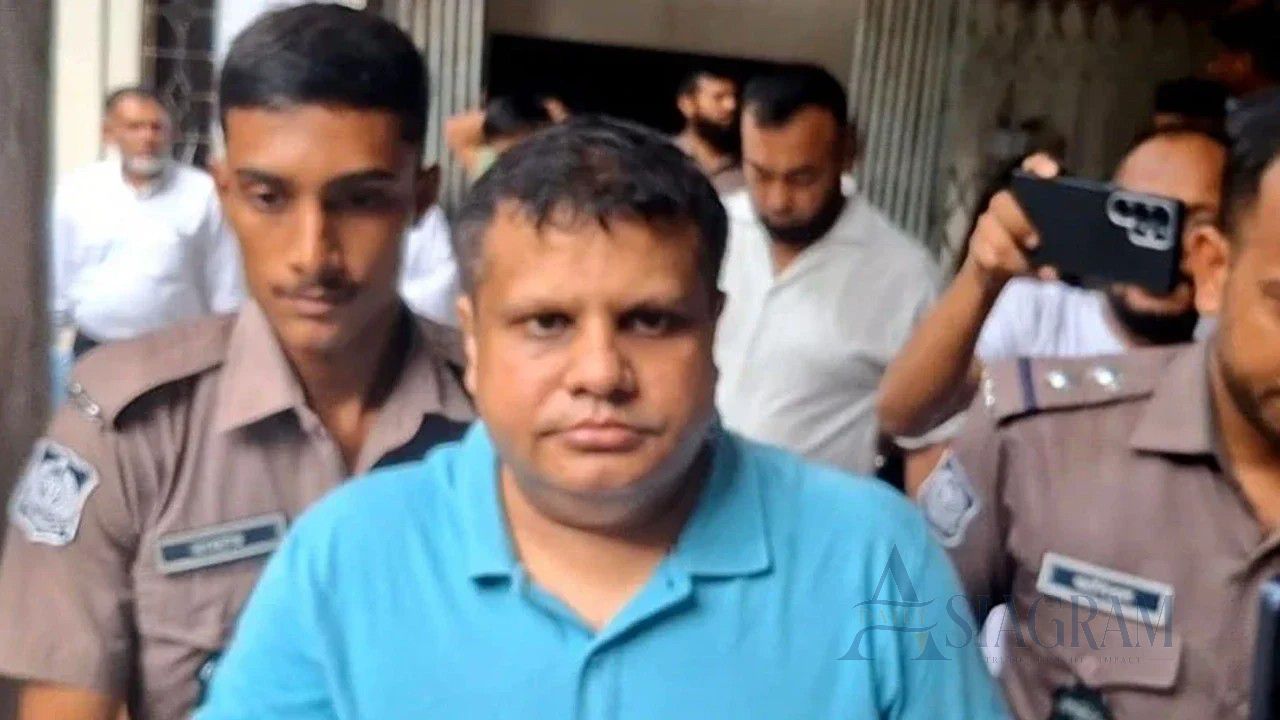
A Dhaka court has sentenced Mohammad Shahed Karim, chairman of Regent Hospital, to one year in prison in a cheque dishonour case involving Tk2.318 million.The verdict was delivered on Sunday by the Third Joint Metropolitan Sessions Judge's Court in Dhaka. In addition to the prison term, the court fined Shahed an amount equal to the value of the dishonoured cheque.Defence lawyer Mohammad Dabir Uddin said the judgment had originally been delivered on 3 May in Shahed’s absence. On Sunday, he was shown arrested in the case under the court-issued conviction warrant. His petition for bail was rejected, and the court ordered him to be sent to jail.According to court documents, the case was filed on 26 July 2020 by Hafiz Uddin Bahar, proprietor of Bahar Traders International, alleging that a cheque worth Tk2,318,358 issued by Shahed for construction materials was returned due to insufficient funds.The complainant alleged that although partial payment had been made in cash, the remaining amount was paid through a cheque issued on 10 December 2019. When the cheque was presented to Uttara Bank’s Nawabpur branch on 5 May 2020, it was dishonoured. A legal notice was later served, but the payment was not made within the stipulated period, prompting the case.Shahed had earlier secured a 10-day bail on 30 July in a separate fraud case following a settlement with the complainant. He was arrested again on 20 July in another cheque dishonour case involving Tk21.6 million filed by Mercantile Cooperative Bank and has remained in custody since then.According to his lawyer, Shahed is currently facing 35 criminal cases, including charges related to fraud, illegal wealth and arms offences. In 2020, he was sentenced to life imprisonment in an Arms Act case before later obtaining bail in several cases and being released from prison in September 2024.


Nu’aym ibn Mas‘ud: The Companion Whose Strategy Changed the Course of the Battle of the Trench

Nu’aym ibn Mas‘ud: The Companion Whose Strategy Changed the Course of the Battle of the Trench

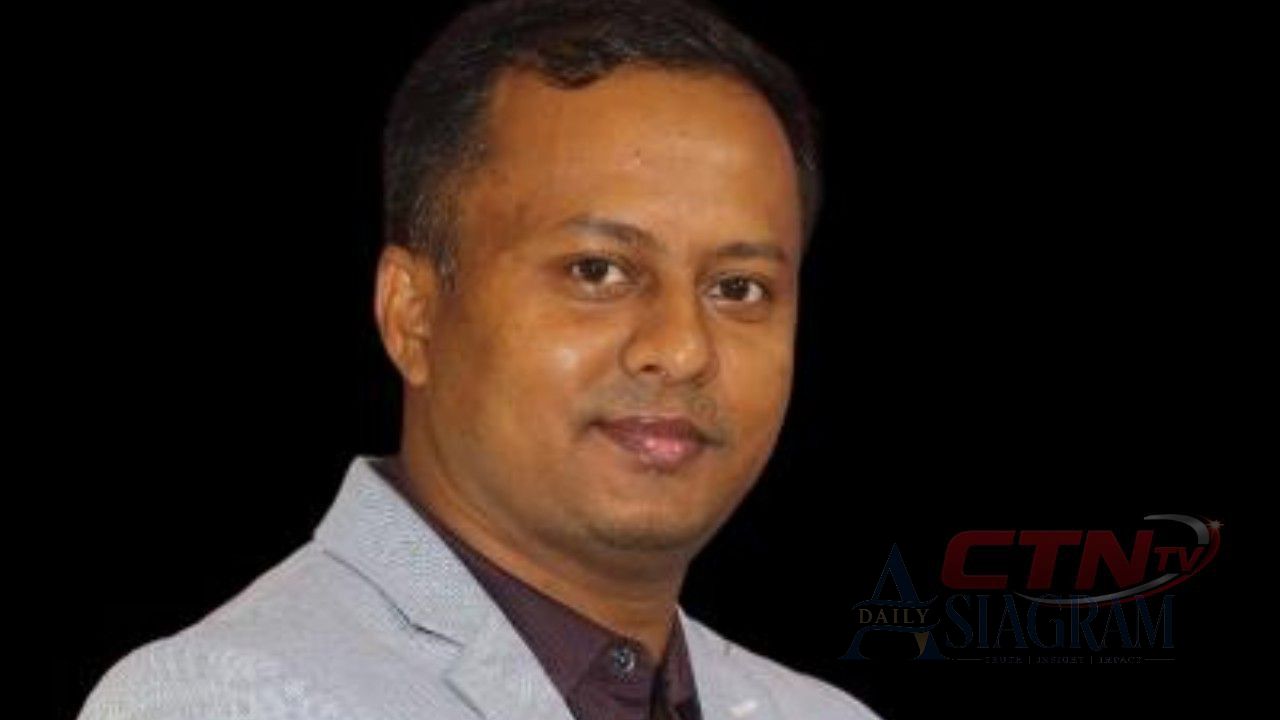
Nu’aym ibn Mas‘ud (RA) is remembered in Islamic history for his pivotal role during the Battle of the Trench (Ghazwat al-Khandaq) in the fifth year of Hijrah.At the time, the Quraysh, the Ghatafan tribe and their allies, together with the Jewish tribe of Banu Nadir, had formed a coalition to attack Madinah. Banu Qurayzah, despite having a treaty with the Muslims, was also persuaded to join the alliance, creating a serious security threat from within the city.Having secretly embraced Islam without the knowledge of his tribe, Nu’aym (RA) sought permission from Prophet Muhammad (peace be upon him) to employ a strategic plan. The Prophet approved, saying, “War is deception (strategy).” (Sahih al-Bukhari: 3030).Nu’aym (RA) then used diplomacy and psychological strategy to create mistrust between the coalition partners. He advised Banu Qurayzah to demand hostages from the Quraysh before joining the fighting, while warning Quraysh leader Abu Sufyan that Banu Qurayzah intended to hand any hostages over to the Muslims to regain their trust.The opposing sides soon became suspicious of each other, weakening the alliance and disrupting their coordinated military plans.According to Islamic historical accounts, the coalition's campaign ultimately collapsed after strong winds and severe weather struck their camp, forcing the allied forces to abandon the siege of Madinah.Nu’aym ibn Mas‘ud’s role is widely regarded in Islamic tradition as an example of strategic intelligence that contributed significantly to the Muslim victory during one of the most decisive moments in early Islamic history.


Microplastics Found in Most Toothpastes Renew Interest in Miswak, Says Report

Microplastics Found in Most Toothpastes Renew Interest in Miswak, Says Report

The detection of microplastics in a large number of commercially available toothpastes has renewed public interest in traditional oral care practices, particularly the use of miswak.A recent study by the Environment and Social Development Organization (ESDO) found microplastic particles in 76.5 percent of the toothpastes it examined. According to the report, these particles are commonly used as polishing and cleaning agents, raising concerns among consumers about the safety of oral care products.The findings have prompted renewed discussion about miswak, a natural teeth-cleaning stick widely recognised in Islamic tradition. According to several hadiths, Prophet Muhammad (peace be upon him) strongly encouraged the use of miswak, especially before prayers.One hadith narrated in Sunan al-Nasa'i states: “Had I not feared hardship for my followers, I would have commanded them to use the miswak before every prayer.” (Sunan al-Nasa'i: 7).Islamic scholars describe miswak as a recommended Sunnah practice associated with oral hygiene and spiritual rewards. Traditional Islamic sources also mention benefits such as freshening the mouth, strengthening the teeth and maintaining oral cleanliness.The article also refers to modern dental observations suggesting that regular use of miswak may help improve gum health and reduce common oral problems, although readers are encouraged to rely on established scientific evidence and professional dental advice for medical decisions.


Man Arrested with 350 Yaba Tablets, 100 Grams of Cannabis in Narsingdi

Man Arrested with 350 Yaba Tablets, 100 Grams of Cannabis in Narsingdi

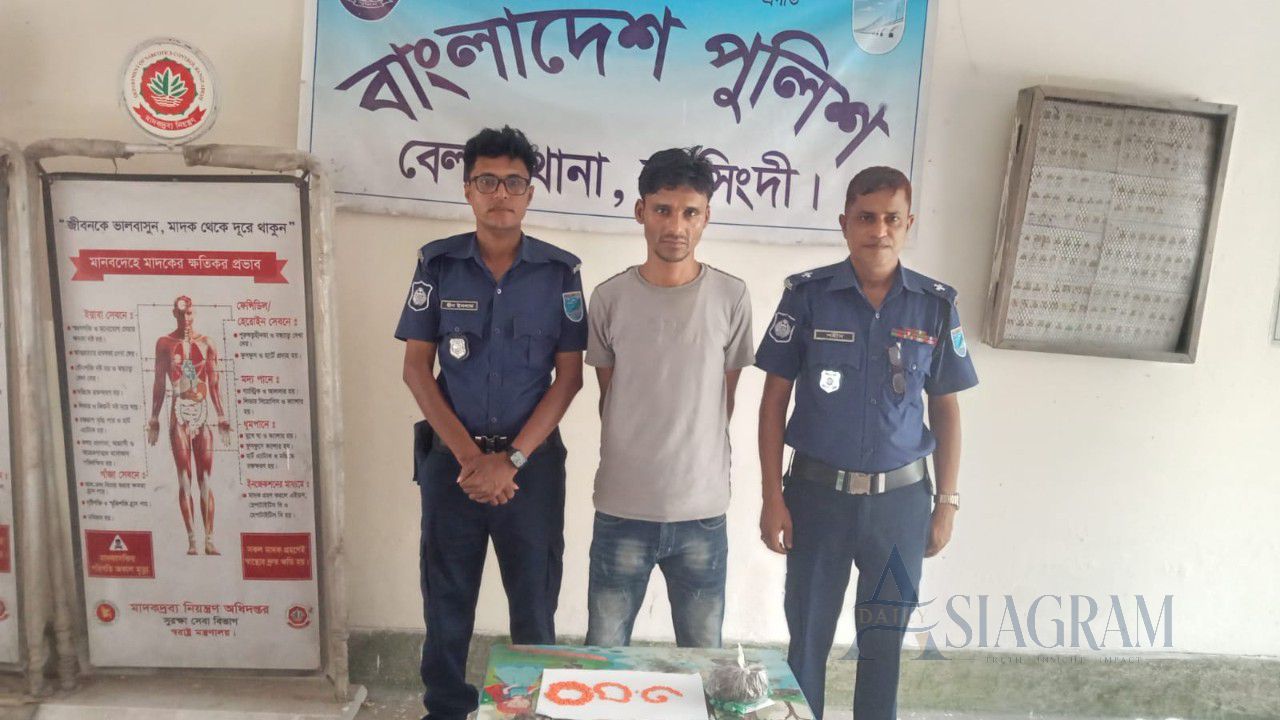
Police arrested a man with 350 yaba tablets and 100 grams of cannabis during an anti-narcotics drive in Belabo upazila of Narsingdi early Sunday.According to police, the operation was conducted at around 1:10 am on 2 August by a team led by Sub-Inspector (SI) Md Fazlul Haque of Belabo Police Station. The suspect, identified as Md Hanif Mia, 37, was detained from a paved road in front of Said Ukil’s house in the Char Kashimnagar Purbapara area. Hanif, a resident of the same locality, is the son of Md Madhu Mia.Police said they recovered 350 yaba tablets, estimated to be worth around Tk105,000, and 100 grams of cannabis valued at approximately Tk3,000. An unregistered black Suzuki Gixxer motorcycle allegedly used by the suspect was also seized.Investigators alleged that Hanif, along with several associates, had been waiting in the area to sell narcotics using the motorcycle. A case has been filed under the Narcotics Control Act, and efforts are underway to arrest the other suspects involved.


Shafiqur Rahman Accuses Government of Repeating Past Repression

Shafiqur Rahman Accuses Government of Repeating Past Repression

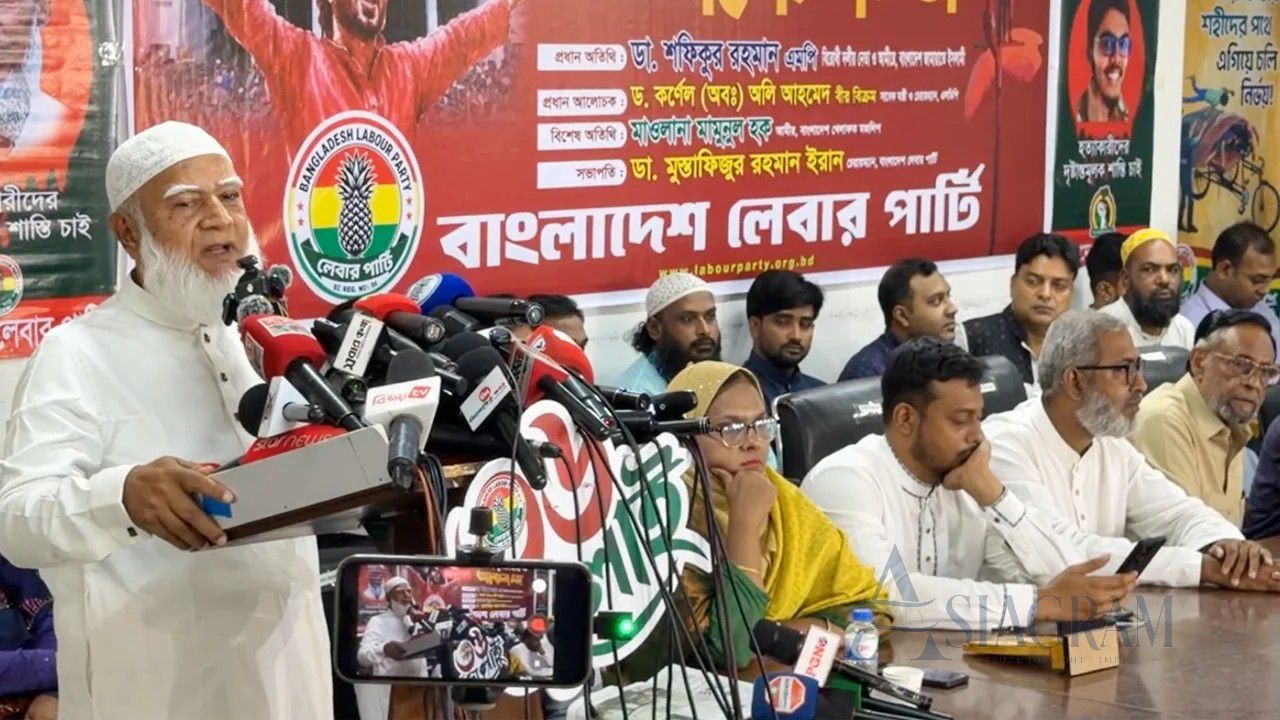
Jamaat-e-Islami Ameer and opposition leader Shafiqur Rahman on Sunday accused the government of repeating the political practices of the previous administration, alleging continued repression against opposition parties.Speaking at a programme at the National Press Club in Dhaka, he said the authorities should not forget what he described as “17 years of oppression,” claiming that the current government was following the same approach as its predecessor.Shafiqur also questioned the government's stance on public opinion, asking why it was disregarding what he described as the will of “70 percent of the people.” Referring to Bangladesh’s political history, he said the rejection of the 1970 election results had led to the events of 1971.Addressing past political alliances, the Jamaat chief said the BNP occasionally criticises his party over the 1996 election, but argued that Jamaat’s support in 1991 had helped the BNP form the government.He also alleged that individuals with political affiliations had been appointed to institutions that should remain neutral, including the Election Commission.


Kejriwal Announces Protest March Against India’s E20 Petrol Policy

Kejriwal Announces Protest March Against India’s E20 Petrol Policy

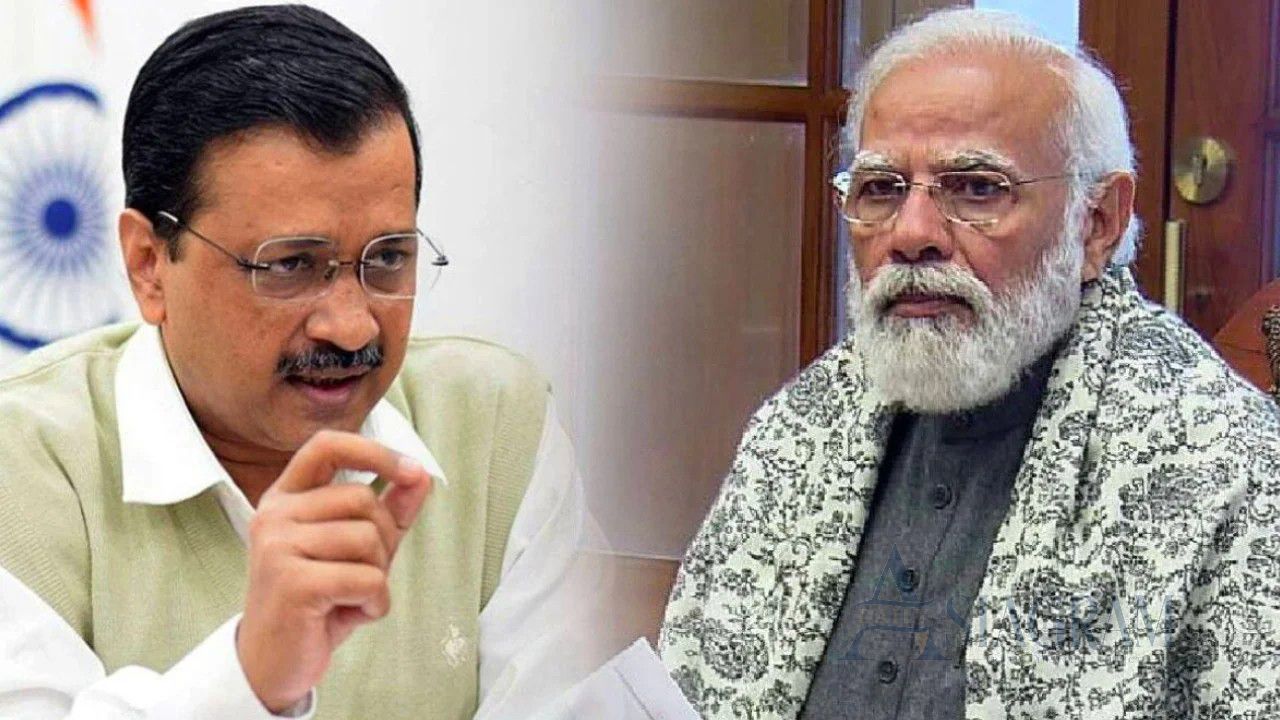
Aam Aadmi Party (AAP) national convenor Arvind Kejriwal has announced a protest march against India’s ethanol-blended E20 petrol policy, scheduled for 4 August.Speaking at the ‘National Townhall Against E20’ programme on Saturday, the former Delhi chief minister said he would visit Prime Minister Narendra Modi’s residence to submit printed copies of an online petition opposing the fuel policy.Kejriwal said more than 200,000 people have already signed the petition. He added that only 100 people would accompany him during the visit, including those who are prepared to face possible police action or arrest.Raising concerns over the safety of E20 petrol, Kejriwal said the government should hold discussions on the issue and that both sides could present their evidence.Delhi BJP president Harsh Malhotra rejected Kejriwal’s allegations, challenging him to provide examples of at least 100 vehicles whose engines were damaged due to the use of E20 fuel.The introduction of petrol blended with 20 percent ethanol has faced criticism from some opposition leaders, who claim it could affect vehicle performance and mileage. Opposition groups have also raised allegations regarding the interests of ethanol-related businesses, a claim denied by supporters of the policy.Source: Hindustan Times


Madhumita Sarkar Makes Dhallywood Debut with ‘Gulshaner Chameli’

Madhumita Sarkar Makes Dhallywood Debut with ‘Gulshaner Chameli’

Popular West Bengal actress Madhumita Sarkar is set to make her debut in Bangladesh’s film industry with the movie ‘Gulshaner Chameli’.The actress, known for her role as Pakhi in the popular Star Jalsha television series Bojhena Se Bojhena, expressed her excitement at the film’s grand mahurat ceremony held on Saturday (1 August) at the Padma Hall of Sonargaon Hotel in Dhaka.Madhumita said she was overwhelmed by the warm welcome and described her debut in Dhallywood as a memorable experience. She expressed hope that the energy and enthusiasm surrounding the project would lead to a successful film.Directed by MD Iqbal, ‘Gulshaner Chameli’ officially began its journey through the mahurat event. The film will feature Madhumita in the lead role and has already generated interest among audiences on both sides of Bengal.The movie is based on the struggles of a sex worker’s life. According to the director, the project will feature a number of popular artistes from both Bangladesh and India.The cast includes Omar Sani, Amin Khan, Ashish Khandker, Misha Sawdagor, Shiba Shanu, Kazi Hayat, Sushmita Sumi, legendary actress Rozina and Azmeri Haque Badhon in an important role.Produced under the banner of Excel Films, the movie is being produced by Jahangir Sikder. He said the story impressed him immediately and expressed confidence that the film would attract audiences with its strong narrative and star-studded cast.The release date of ‘Gulshaner Chameli’ will be announced after completion of filming.


Type-2 Diabetes Rising Rapidly Among Young Women, UK Study Warns

Type-2 Diabetes Rising Rapidly Among Young Women, UK Study Warns

A recent study by Imperial College London has found a sharp rise in type-2 diabetes cases among young women in the United Kingdom, with researchers pointing to increasing obesity rates after the Covid-19 pandemic as a major factor.Analysing data from the UK’s National Health Service (NHS), the study found that type-2 diabetes prevalence has increased significantly among women aged 20 to 29, while rates among older adults have remained stable or slightly declined in some groups.Researchers said type-2 diabetes is not only linked to high blood sugar levels but also increases the risk of heart disease, stroke and other serious health complications. Diabetes UK warned that developing the condition at a younger age can lead to more severe health impacts and raise the risk of organ damage and premature death.Study lead Dr Shivani Misra said rising levels of severe obesity have contributed to a significant decline in the average age of type-2 diabetes diagnosis. She added that the condition, once more common in certain ethnic minority groups, is now increasing rapidly among white populations as well.The UK currently has around six million people living with diabetes, with nearly 90 percent affected by type-2 diabetes. Although traditionally considered an age-related disease, around 12,000 people under the age of 30 are now living with the condition, many of them young women.Experts advise people to seek medical attention if they experience common symptoms such as extreme tiredness, frequent urination and excessive thirst.NHS data from 2019 to 2025 shows that obesity rates increased by 16 percent among people aged 20 to 29 and nearly 20 percent among those aged 30 to 39 after the pandemic, which researchers identify as a key driver behind the growing diabetes trend.


Drinking More Water During Meals May Lead to Higher Food Intake, Study Finds

Drinking More Water During Meals May Lead to Higher Food Intake, Study Finds

A new study has challenged the popular belief that drinking water while eating helps reduce hunger and control weight. Researchers found that consuming more water during meals may actually encourage people to eat more.The study, conducted by researchers from Cornell University and Penn State University and published in the scientific journal Appetite, analysed data from two experiments involving 86 adults.Participants were served meals including beef chili or chicken tikka masala along with water and were allowed to eat freely. Researchers monitored their eating patterns through video analysis to examine the relationship between water consumption and food intake.The findings showed that participants who drank more water during meals tended to consume larger amounts of food. Researchers found that every additional 100 grams of water intake was associated with around 39 grams more food consumption, equivalent to nearly 49 extra calories.According to researchers, frequent sips of water during meals may delay the body’s natural feeling of fullness. Water may also refresh taste sensations, making food enjoyable for a longer period and encouraging continued eating.Lead author Dr. Paige Cunningham, assistant professor of nutrition at Cornell University, said water intake may restore the perception of food flavour, which can increase the desire to continue eating.However, researchers cautioned that the study involved a limited number of participants, and further research with larger groups and different types of food is needed before drawing broader conclusions.


Tawsif, Keya Payel and Malaika Team Up for New Drama ‘Amar Rajya Tumi’

Tawsif, Keya Payel and Malaika Team Up for New Drama ‘Amar Rajya Tumi’

Popular actors Tawsif Mahbub, Keya Payel and Malaika Chowdhury are coming together for Capital Drama’s upcoming production “Amar Rajya Tumi”, a relationship-focused drama exploring love, fate and human emotions.The drama marks another collaboration between Tawsif and Keya Payel, while it introduces Tawsif’s first on-screen pairing with Malaika Chowdhury.Tawsif will play Siam, Keya Payel will portray Naboni, and Malaika Chowdhury will appear as Brishty in the drama.Directed by Masrikul Alam, the production focuses on the emotional consequences of relationships rather than a conventional love story. The director said the drama highlights how people deal with changes, separation and memories after relationships are affected by time and circumstances.Tawsif said the project presents a different perspective on relationships and expressed hope that audiences would connect with the characters and story.The drama, presented by Bashundhara Cement, will be released soon on Capital Drama’s YouTube channel.


Gerhard Begins Asian Games Mission with Bangladesh Hockey Team

Gerhard Begins Asian Games Mission with Bangladesh Hockey Team

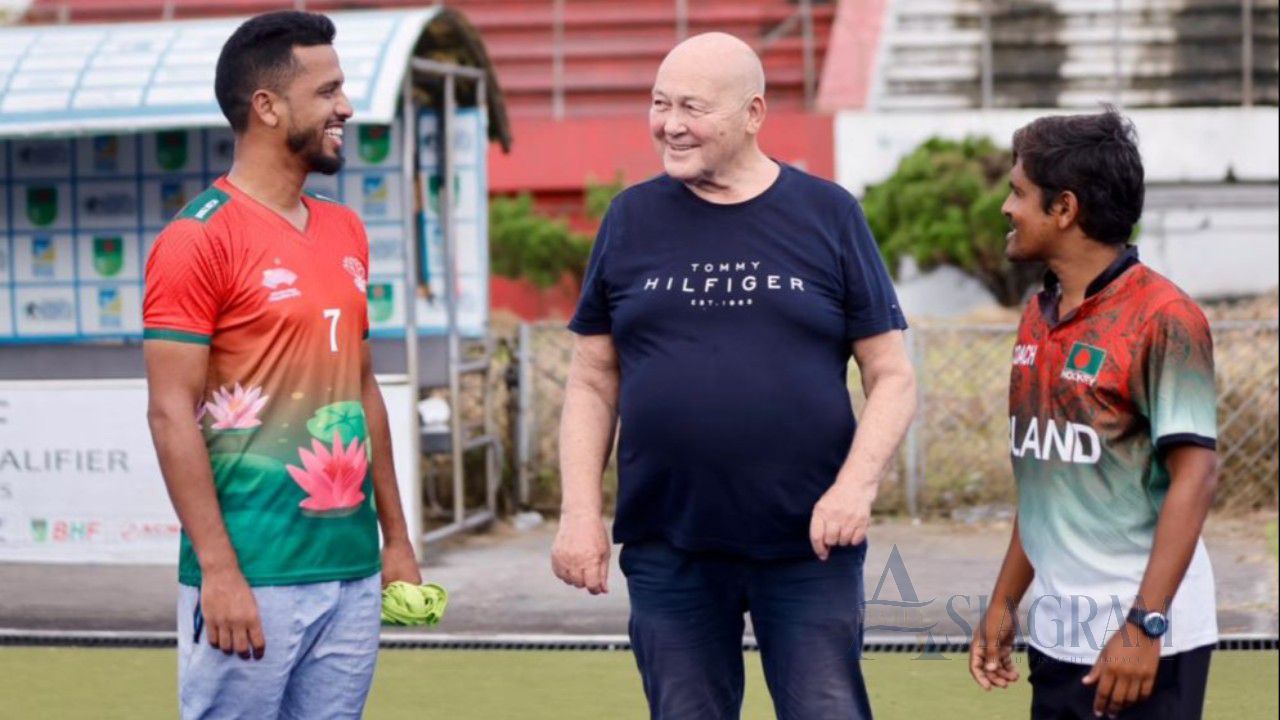
Newly appointed Bangladesh national hockey team head coach Peter Gerhard has started his second stint with the team, describing the short preparation period before the Asian Games as a major challenge.The German coach conducted his first training session at the Maulana Bhasani National Hockey Stadium on Saturday afternoon, just four to five weeks ahead of the continental competition.Gerhard said he sees the task as a “mission impossible” but believes the team can overcome the difficulties. He said his goal is to combine young talents with experienced players to build a competitive side.The coach, who has followed Bangladesh hockey despite being away from the team, praised the country’s emerging players as a “golden generation”. He also highlighted the performances of Bangladeshi players in European leagues, including Amirul Islam, Rakibul Hassan Rocky and Mahbub Hossain.According to Gerhard, 12 Bangladeshi players competed in Germany this season, with Mahbub becoming the league’s top scorer despite playing only half of the season.The coach plans to introduce a European style of hockey and take the team to Germany next month for an intensive training camp. Bangladesh are expected to play around 20 practice matches against top German clubs, including the reigning champions.Before the first training session, the Bangladesh Hockey Federation organised a workshop titled “Train Your Mind” to improve players’ mental strength.Gerhard said Bangladesh’s target at the Asian Games is clear — finishing among the top six teams.


Cold Storage Owners Seek Power Bill Relief, Higher Export Incentives

Cold Storage Owners Seek Power Bill Relief, Higher Export Incentives

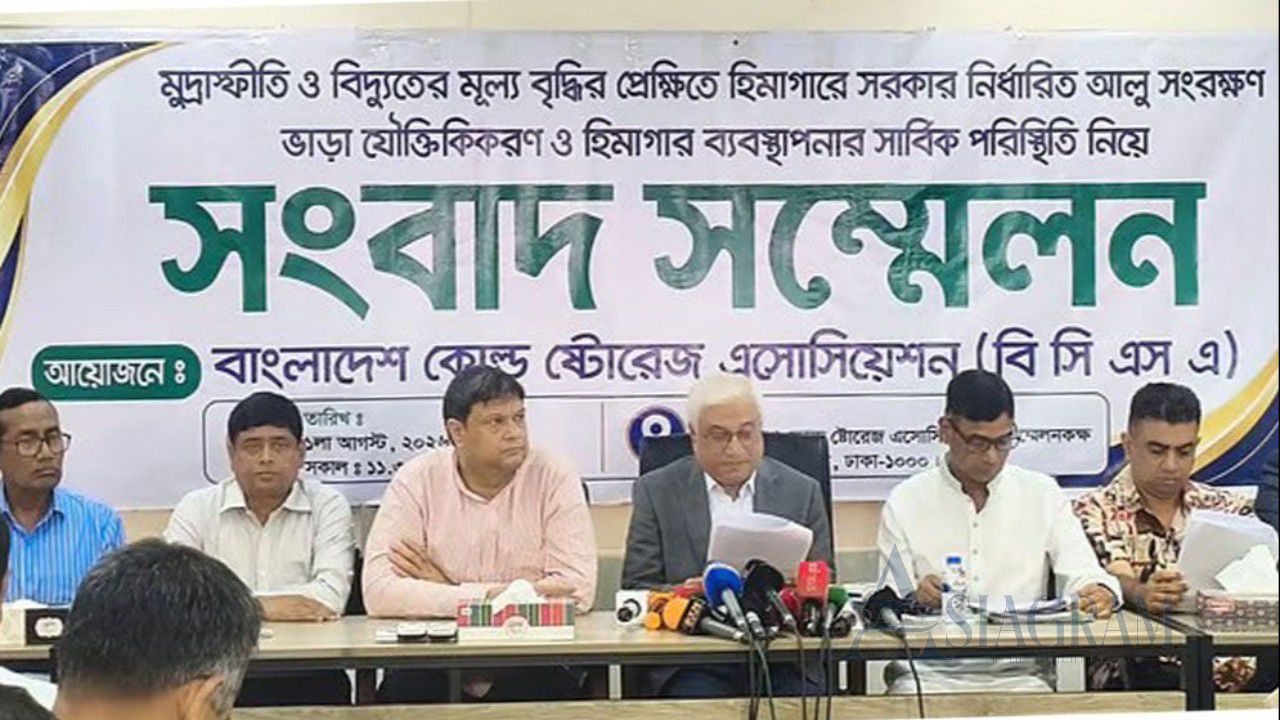
Cold storage owners have urged the government to provide a 20% discount on electricity bills and increase the cash incentive for potato exports from 10% to 30% to support the struggling sector.The demands were placed by the Bangladesh Cold Storage Association (BCSA) at a press conference held at its Paltan office in Dhaka on Saturday.BCSA President Mostafa Azad Chowdhury Babu said cold storage operators were facing financial difficulties due to falling potato prices, higher electricity costs and ongoing inflation.The association demanded an increase in potato storage charges, currently set at Tk6.75 per kilogram, citing rising operational expenses.It also urged Bangladesh Bank to recognise cold storage as part of the agricultural sector and create a Tk6,000-8,000 crore refinancing or special support fund with loans at a 5% interest rate.According to BCSA, over two lakh tonnes of potatoes remained unsold in cold storages until January 2026 due to low market prices, causing losses for operators.The association also requested that potato farmers be brought under the Farmer Card programme and that potatoes be included in the government’s Open Market Sale (OMS) and rationing schemes to increase consumption.BCSA data showed that Bangladesh produced more than 1.12 crore tonnes of potatoes in 2025, with production expected to reach nearly 1.15 crore tonnes this year.Farmgate potato prices have fallen to Tk5-9 per kilogram, while cold storage prices are Tk12-18 and retail prices range between Tk18 and Tk30 per kilogram.