

Saturday, November 7, 2026
Daily Asiagram

North Korea Rewards Elite Hackers With Luxury Apartments and Millions for Cyber Heists

North Korea Rewards Elite Hackers With Luxury Apartments and Millions for Cyber Heists
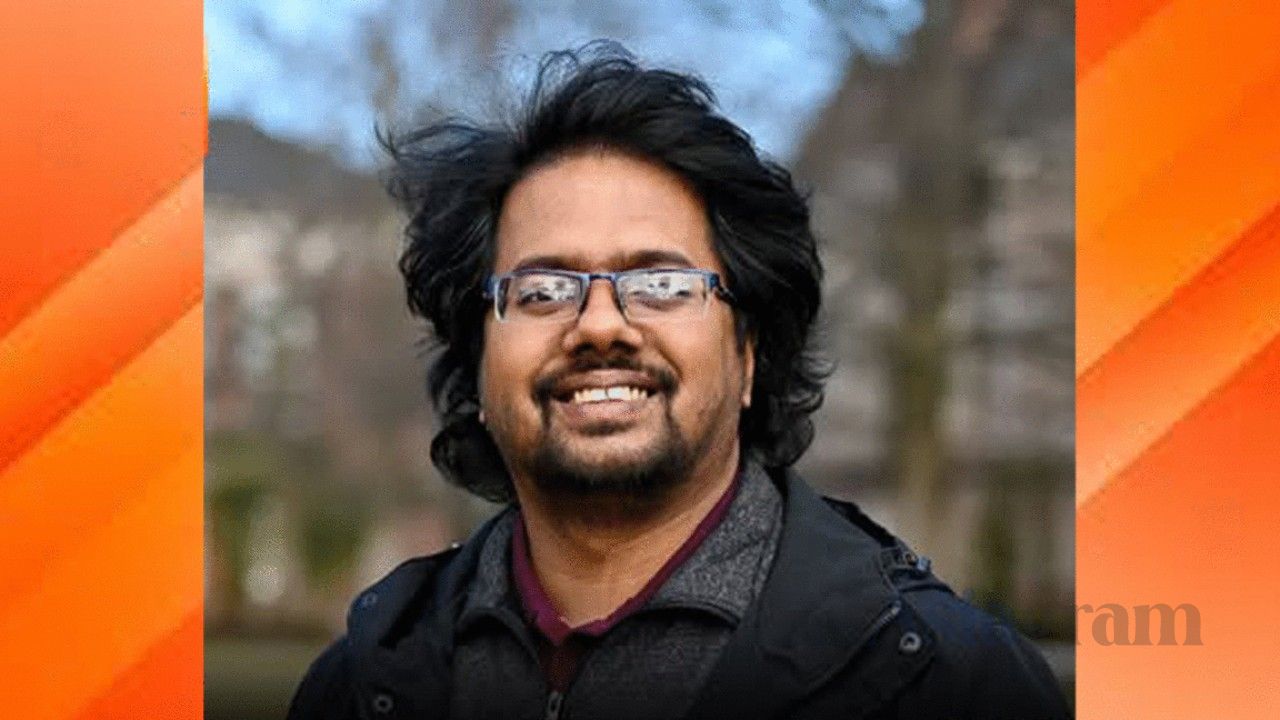
Photo: Collected

From selecting gifted schoolchildren to building a state-sponsored cyber army, Pyongyang has developed an extensive hacking programme that allegedly rewards successful operatives with cash, luxury homes and privileged status.

North Korea is reportedly rewarding its top hackers with lavish apartments in the capital, Pyongyang, and substantial amounts of foreign currency for carrying out major cyberattacks, including the alleged theft of $6.3 billion from the world's largest cryptocurrency exchange, Binance.

According to defectors and former officials familiar with the programme, North Korean leader Kim Jong Un has spent more than a decade building an elite force of cyber operatives. The programme systematically identifies talented students from secondary schools and trains them to become highly skilled hackers.

Every year, the state reportedly selects around 150 to 200 of the country's brightest students for specialised computer engineering education.

What initially began with relatively simple illegal online gambling operations has evolved into a sophisticated cyber operation capable of targeting major international financial institutions. Kim Heung-kwang, a former North Korean hacking instructor who defected to South Korea in 2004, described the hackers as one of Kim Jong Un's secret weapons.

No other country in the world produces hackers in this way. They deliberately identify the brightest children to create state cyber operatives. Whether those children want to become hackers or not makes no difference to the state, he said.

The FBI and Binance have directly blamed North Korea for the alleged cyber theft. Pyongyang has denied the accusations. Blockchain investigation firms have linked the attack to North Korea's TraderTraitor group, which has previously been associated with the country's wider cyber operations.

A State-Sponsored Hacker Recruitment System

North Korea established its first specialised cyber unit in 1998. However, the programme gained significantly greater importance after Kim Jong Un came to power. In 2013, Kim described cyber warfare, alongside nuclear weapons and missiles, as an essential "all-purpose sword" for the country's offensive capabilities. According to Kim Heung-kwang and two other defectors who previously worked in the country's IT sector, the recruitment process begins when students are just 11 or 12 years old.

Each year, approximately 150 to 200 talented children are selected for computer science education. At around 17, the highest-performing students are sent to the country's leading universities, where they face further rounds of selection.

Only a small number eventually qualify for positions in military cyber units.

Their training includes advanced mathematics, foreign languages, cryptocurrency protocols and reverse engineering the process of analysing how software and hardware systems work.Students who fail to make the final selection are not necessarily excluded from the programme. Instead, some are reportedly assigned remote jobs developing software and applications for Western companies, generating foreign currency for the state.

Lim Jong-in, emeritus professor at Korea University's School of Cybersecurity, said North Korea directs its brightest students towards nuclear and cyber programmes, while talented students in South Korea often pursue medicine and other prestigious professions.

Luxury Apartments, Cash and Elite Status

Successful cyber operatives reportedly receive substantial financial rewards and privileges. According to former instructor Kim, as much as 30 per cent of the money stolen through successful operations may be allocated to the hackers' military units.

Some operatives are also reportedly rewarded with spacious apartments in Pyongyang, where their parents can live with them. Professor Lim said successful hackers have been provided with modern apartments measuring approximately 1,420 square feet.

Defectors have also described additional privileges, including opportunities to travel to allied countries such as China, where operatives can access the internet more freely. Other reported rewards include membership in the ruling Workers' Party and opportunities to marry into elite families.

According to a 2024 estimate by South Korea's National Intelligence Service (NIS), approximately 8,400 personnel are involved in North Korea's cyber warfare operations. Inside the country, these operatives are officially designated as "scientists" or "researchers".

Lazarus Group and the Growing Threat of AI

Among North Korea's most notorious cyber organisations is the Lazarus Group, with which the TraderTraitor operation has been associated. Operating under state protection and largely beyond the reach of international law enforcement, these groups have become a significant threat to global financial institutions.

Experts say their operations are becoming increasingly sophisticated, with artificial intelligence playing a growing role. Individuals who have monitored North Korean IT workers operating under false identities in Western companies describe them as highly disciplined and organised. YouTuber DeVier, who said he had hacked into the cameras of North Korean IT workers, described their working environment as resembling a military operation.

They use so much AI that it would be an understatement to say they rely on it. AI is essentially the backbone of their operations, he said. According to him, these workers use paid ChatGPT accounts, Claude Code and Cursor for coding, fabricating CVs and creating fake identification documents.

Binance said one of its employees was targeted through a fraudulent job interview and software hidden in an advertisement. The attackers reportedly gained control of the employee's laptop and later used an internal AI tool to gain further access to the company's systems.

Behind the Rewards: An Oppressive Working Environment

Despite the reported financial incentives and luxurious rewards, the lives of North Korean cyber operatives are far from comfortable. A report by human rights organisation PSCORE, based on accounts from former workers, describes a highly restrictive working environment. Workers reportedly spend more than 10 hours a day in overcrowded rooms, remain under constant surveillance and face demanding financial targets.

Nam Bada, executive director of PSCORE, said the relentless pressure to generate dollars takes a serious toll on workers' physical and mental health. There is extreme psychological pressure to earn dollars all the time. Because of this pressure, some workers develop physical problems they did not previously have, he said.

Those who fail to meet their monthly foreign-currency targets reportedly face humiliation and punishment.

Bigger Targets, Greater Global Risks

Analysts believe a series of successful cyber operations has emboldened Pyongyang to pursue increasingly ambitious targets. Alec Zebrick of blockchain analytics firm Chainalysis said North Korean hackers are now moving towards "bigger game", targeting major international financial institutions with substantial financial reserves.

The alleged Binance incident illustrates the scale of the threat. Despite the risks and international scrutiny, such operations can generate enormous financial returns for the North Korean state. As cybercriminals become more organised and increasingly dependent on artificial intelligence, the threat posed by state-backed hacking groups is becoming a growing concern for the global financial system.

Topic : North Korea Kim Jong Un Cyber Warfare Binance

Daily Asiagram

Saturday, November 7, 2026


North Korea Rewards Elite Hackers With Luxury Apartments and Millions for Cyber Heists

Published Date : November 7, 2026

featured Image
From selecting gifted schoolchildren to building a state-sponsored cyber army, Pyongyang has developed an extensive hacking programme that allegedly rewards successful operatives with cash, luxury homes and privileged status.North Korea is reportedly rewarding its top hackers with lavish apartments in the capital, Pyongyang, and substantial amounts of foreign currency for carrying out major cyberattacks, including the alleged theft of $6.3 billion from the world's largest cryptocurrency exchange, Binance.According to defectors and former officials familiar with the programme, North Korean leader Kim Jong Un has spent more than a decade building an elite force of cyber operatives. The programme systematically identifies talented students from secondary schools and trains them to become highly skilled hackers.Every year, the state reportedly selects around 150 to 200 of the country's brightest students for specialised computer engineering education.What initially began with relatively simple illegal online gambling operations has evolved into a sophisticated cyber operation capable of targeting major international financial institutions. Kim Heung-kwang, a former North Korean hacking instructor who defected to South Korea in 2004, described the hackers as one of Kim Jong Un's secret weapons.No other country in the world produces hackers in this way. They deliberately identify the brightest children to create state cyber operatives. Whether those children want to become hackers or not makes no difference to the state, he said.The FBI and Binance have directly blamed North Korea for the alleged cyber theft. Pyongyang has denied the accusations. Blockchain investigation firms have linked the attack to North Korea's TraderTraitor group, which has previously been associated with the country's wider cyber operations.A State-Sponsored Hacker Recruitment SystemNorth Korea established its first specialised cyber unit in 1998. However, the programme gained significantly greater importance after Kim Jong Un came to power. In 2013, Kim described cyber warfare, alongside nuclear weapons and missiles, as an essential "all-purpose sword" for the country's offensive capabilities. According to Kim Heung-kwang and two other defectors who previously worked in the country's IT sector, the recruitment process begins when students are just 11 or 12 years old.Each year, approximately 150 to 200 talented children are selected for computer science education. At around 17, the highest-performing students are sent to the country's leading universities, where they face further rounds of selection.Only a small number eventually qualify for positions in military cyber units.Their training includes advanced mathematics, foreign languages, cryptocurrency protocols and reverse engineering the process of analysing how software and hardware systems work.Students who fail to make the final selection are not necessarily excluded from the programme. Instead, some are reportedly assigned remote jobs developing software and applications for Western companies, generating foreign currency for the state.Lim Jong-in, emeritus professor at Korea University's School of Cybersecurity, said North Korea directs its brightest students towards nuclear and cyber programmes, while talented students in South Korea often pursue medicine and other prestigious professions.Luxury Apartments, Cash and Elite StatusSuccessful cyber operatives reportedly receive substantial financial rewards and privileges. According to former instructor Kim, as much as 30 per cent of the money stolen through successful operations may be allocated to the hackers' military units.Some operatives are also reportedly rewarded with spacious apartments in Pyongyang, where their parents can live with them. Professor Lim said successful hackers have been provided with modern apartments measuring approximately 1,420 square feet.Defectors have also described additional privileges, including opportunities to travel to allied countries such as China, where operatives can access the internet more freely. Other reported rewards include membership in the ruling Workers' Party and opportunities to marry into elite families.According to a 2024 estimate by South Korea's National Intelligence Service (NIS), approximately 8,400 personnel are involved in North Korea's cyber warfare operations. Inside the country, these operatives are officially designated as "scientists" or "researchers".Lazarus Group and the Growing Threat of AIAmong North Korea's most notorious cyber organisations is the Lazarus Group, with which the TraderTraitor operation has been associated. Operating under state protection and largely beyond the reach of international law enforcement, these groups have become a significant threat to global financial institutions.Experts say their operations are becoming increasingly sophisticated, with artificial intelligence playing a growing role. Individuals who have monitored North Korean IT workers operating under false identities in Western companies describe them as highly disciplined and organised. YouTuber DeVier, who said he had hacked into the cameras of North Korean IT workers, described their working environment as resembling a military operation.They use so much AI that it would be an understatement to say they rely on it. AI is essentially the backbone of their operations, he said. According to him, these workers use paid ChatGPT accounts, Claude Code and Cursor for coding, fabricating CVs and creating fake identification documents.Binance said one of its employees was targeted through a fraudulent job interview and software hidden in an advertisement. The attackers reportedly gained control of the employee's laptop and later used an internal AI tool to gain further access to the company's systems.Behind the Rewards: An Oppressive Working EnvironmentDespite the reported financial incentives and luxurious rewards, the lives of North Korean cyber operatives are far from comfortable. A report by human rights organisation PSCORE, based on accounts from former workers, describes a highly restrictive working environment. Workers reportedly spend more than 10 hours a day in overcrowded rooms, remain under constant surveillance and face demanding financial targets.Nam Bada, executive director of PSCORE, said the relentless pressure to generate dollars takes a serious toll on workers' physical and mental health. There is extreme psychological pressure to earn dollars all the time. Because of this pressure, some workers develop physical problems they did not previously have, he said.Those who fail to meet their monthly foreign-currency targets reportedly face humiliation and punishment.Bigger Targets, Greater Global RisksAnalysts believe a series of successful cyber operations has emboldened Pyongyang to pursue increasingly ambitious targets. Alec Zebrick of blockchain analytics firm Chainalysis said North Korean hackers are now moving towards "bigger game", targeting major international financial institutions with substantial financial reserves.The alleged Binance incident illustrates the scale of the threat. Despite the risks and international scrutiny, such operations can generate enormous financial returns for the North Korean state. As cybercriminals become more organised and increasingly dependent on artificial intelligence, the threat posed by state-backed hacking groups is becoming a growing concern for the global financial system.

Daily Asiagram

Editor & publisher: Kayes Ahmed Salim
Copyright © 2026 Daily Asiagram | All Rights Reserved
North Korea Rewards Elite Hackers With Luxury Apartments and Millions for Cyber Heists
0:00 0:00
1.0x