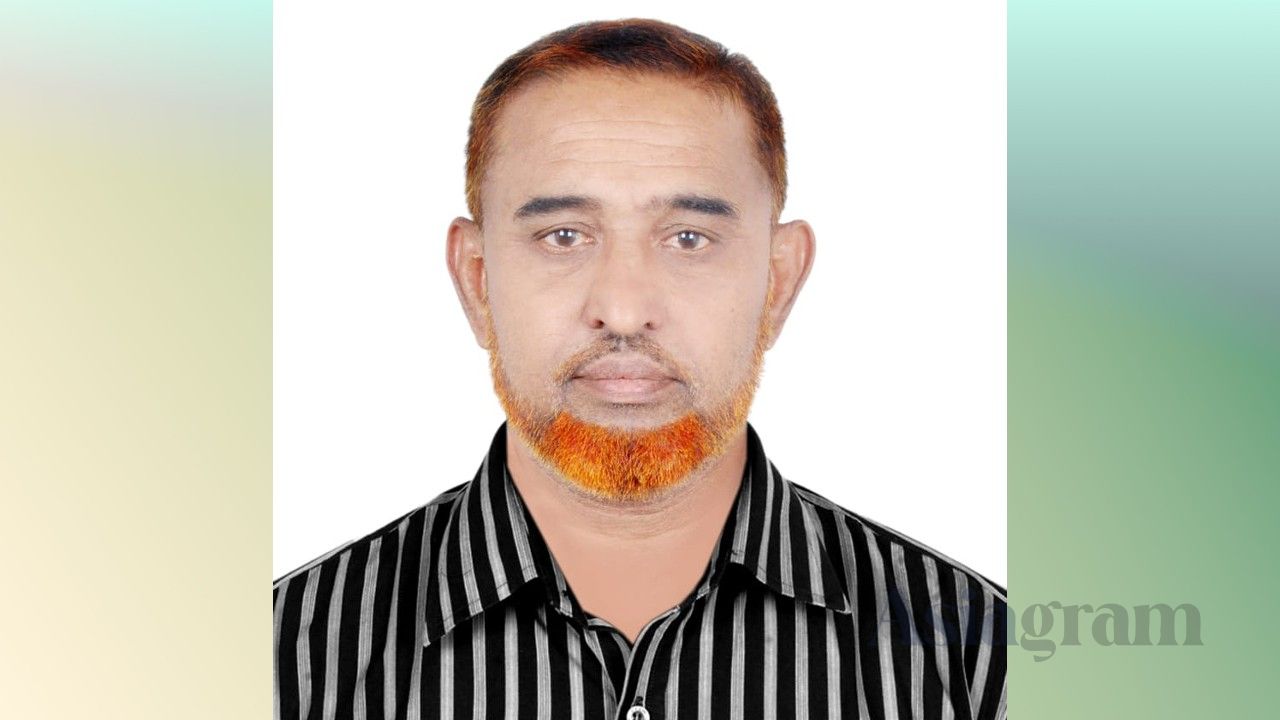
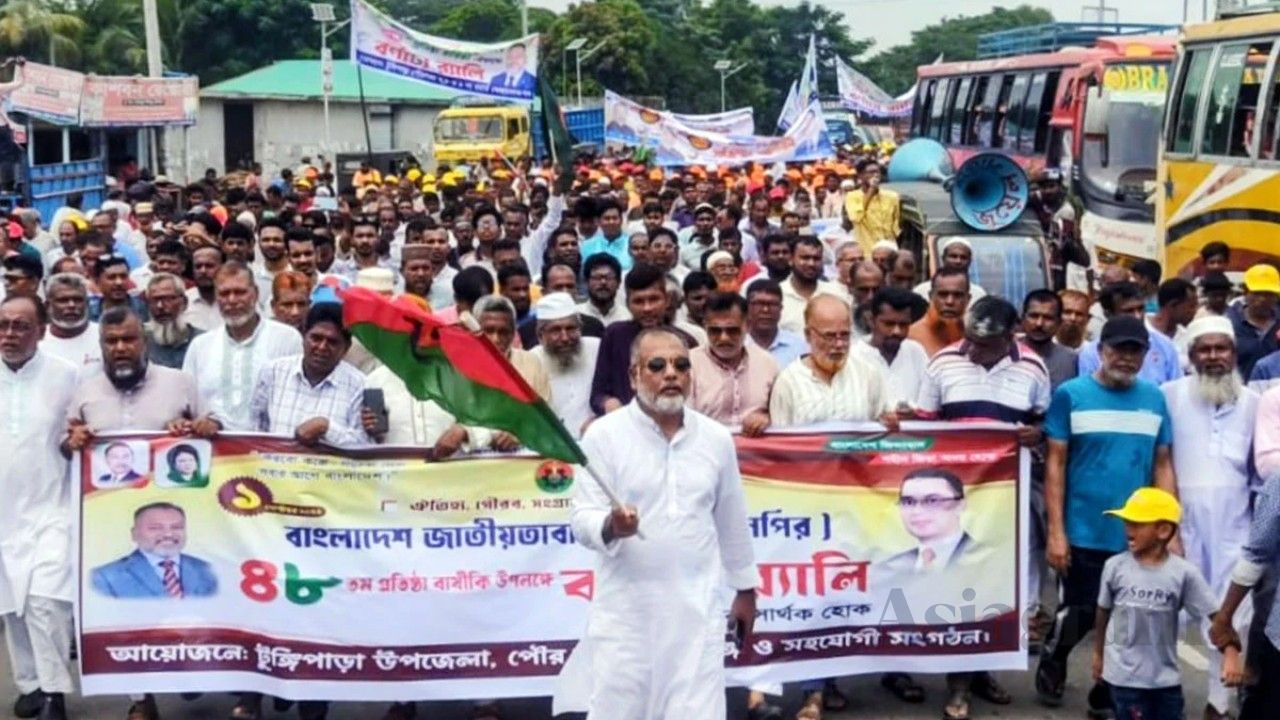
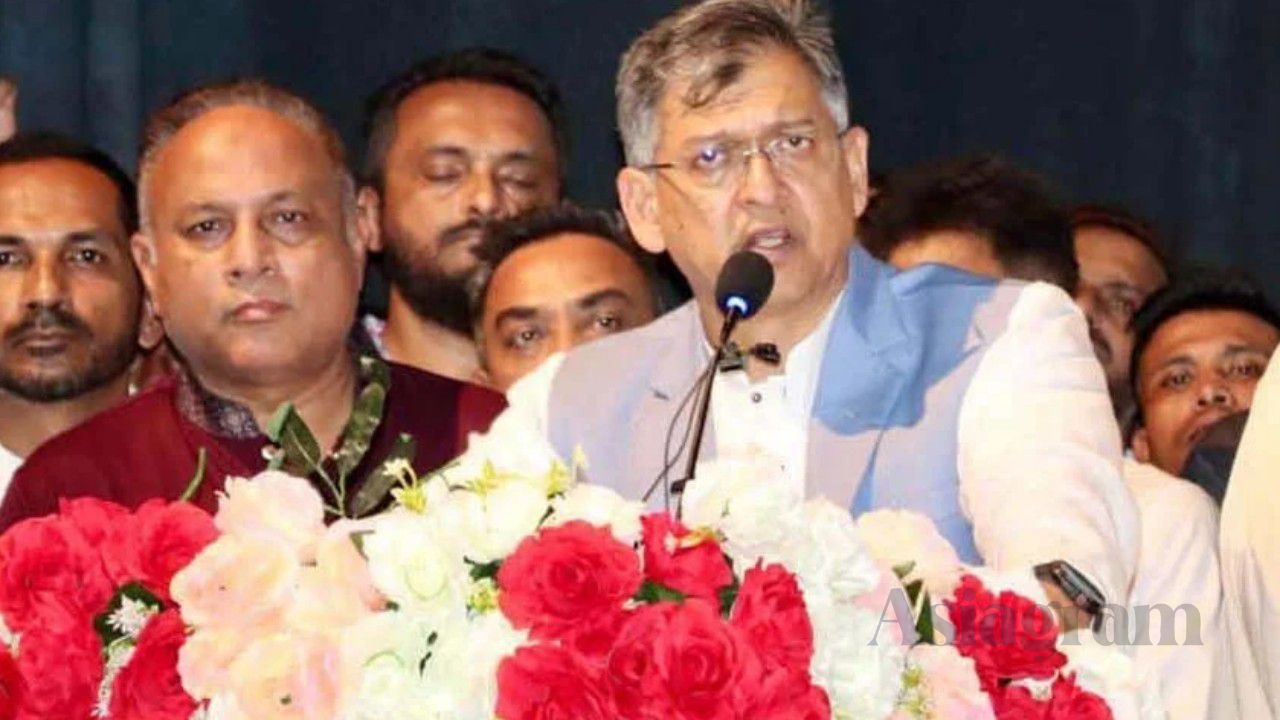
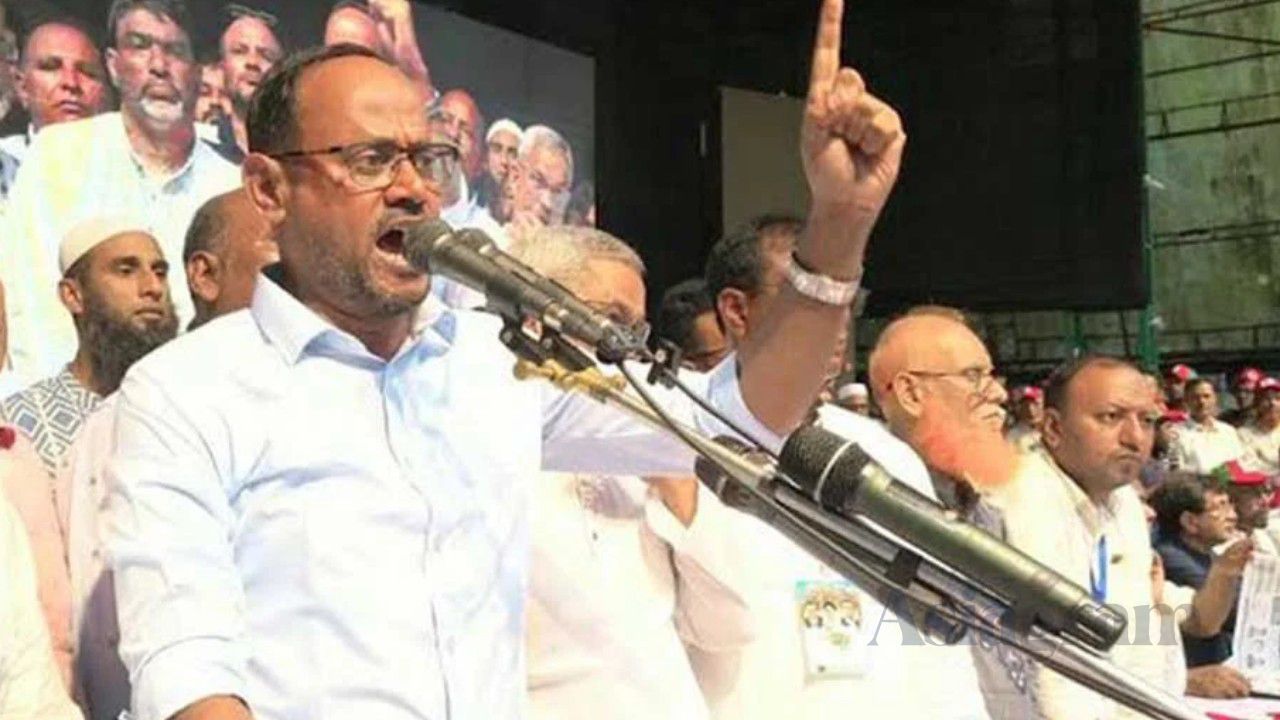
The resignation of President Mohammed Shahabuddin has closed a chapter in Bangladesh’s post-2024 political transition and shifted attention to the BNP-led government’s selection of the country’s next president.Shahabuddin’s departure, officially attributed to health reasons, also removes the last Awami League-era figure from a constitutional office. During the political transition following the August 2024 mass uprising, his role was largely to formalise decisions that paved the way for the interim administration led by Dr Muhammad Yunus under constitutional provisions and the doctrine of necessity.Political analysts note that Bangabhaban played a key institutional role in ensuring continuity of the state after the collapse of the previous government, allowing power to be transferred without dismantling the constitutional framework.With the BNP holding a commanding parliamentary majority, the party’s nominee is widely expected to become the next president. The decision now rests with Prime Minister Tarique Rahman and the BNP Standing Committee.Observers suggest the party has three broad options: nominating a senior BNP politician with broad public acceptance, selecting a respected civil society figure, or choosing a retired senior civil servant or former judge with administrative experience. Each option carries distinct strengths and challenges in terms of political neutrality, governance experience and public confidence.The debate has gained further significance following proposals in the July Charter that could expand the president’s role in constitutional appointments and the formation of a future caretaker government.Analysts argue that the next president will be expected to restore the dignity of the office, remain above partisan politics, safeguard constitutional principles and contribute to strengthening democratic institutions during a politically sensitive period.
সহজ ও দ্রুত খবরের আপডেট পেতে আমাদের অ্যাপটি ইন্সটল করুন।