
Tuesday, September 1, 2026
Daily Asiagram

Why religious practice is natural for soldiers

Why religious practice is natural for soldiers
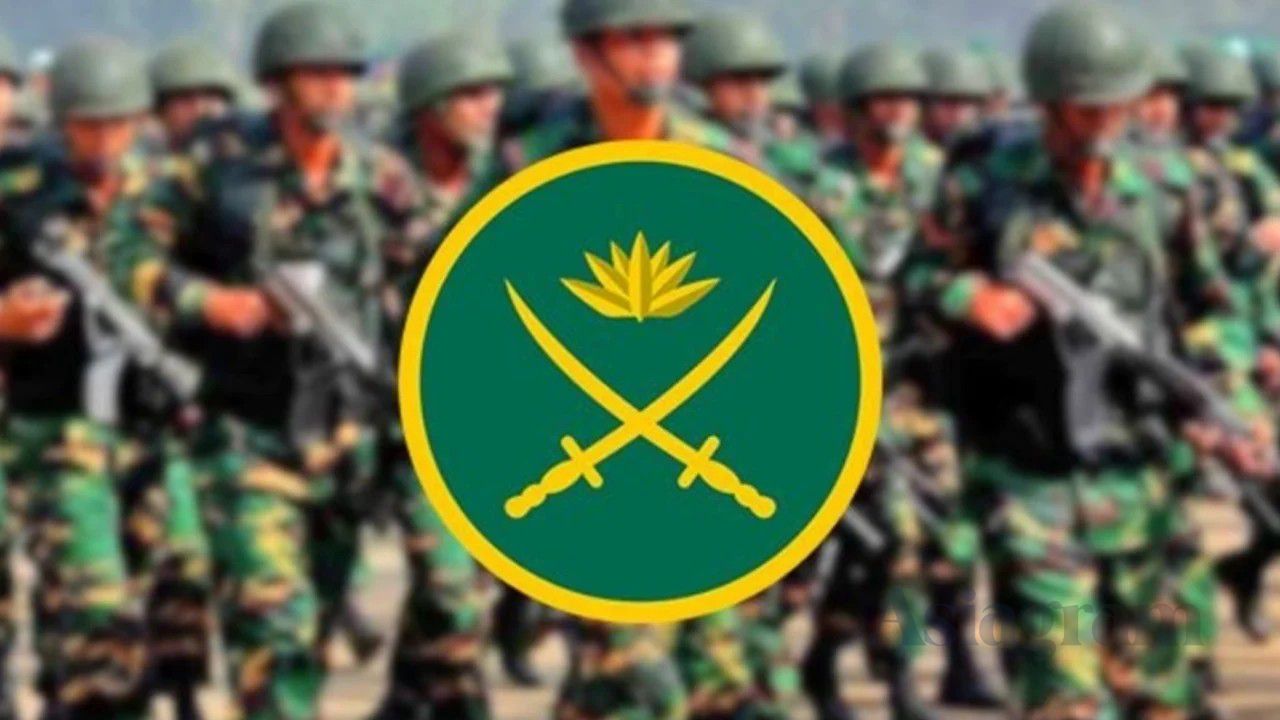
File Photo

Claims that Bangladesh’s armed forces are increasingly becoming religious overlook the personal and professional realities of military life. In a Muslim-majority country, most service members come from Muslim families, and practising their faith is a natural part of their lives.

For a young person joining the military, the journey begins with patriotism, discipline and a commitment to serve the country. After rigorous training, taking an oath before the national flag and touching a religious scripture can deepen that sense of responsibility. The experience of being prepared to sacrifice one’s life for national sovereignty can also create humility and a stronger dependence on the Creator.

For those serving in remote and operational areas, the experience can be even more profound. In the Chittagong Hill Tracts, for example, soldiers often live with uncertainty and the risk of losing their lives. Seeing fellow soldiers killed or permanently disabled can naturally lead service members to seek peace and strength through religious practice.

Such practices are not necessarily the result of institutional pressure. In remote camps, after long days of operations and with limited recreational opportunities, many soldiers voluntarily read religious texts, pray or follow their own religious practices. For them, these activities can provide mental peace, self-control and spiritual strength.

Similar experiences can be seen among Bangladeshi peacekeepers serving under the United Nations. Military discipline and a structured lifestyle can strengthen personal self-control, while individual religious practice can coexist with professional responsibilities.

Bangladesh’s armed forces are not institutions of any particular religion. They are national institutions committed to the Constitution. Members of different faiths serve and train together, while respecting each other’s religious beliefs. This mutual respect remains an important source of institutional strength.

Personal religious practices, including a soldier’s appearance or observance, should therefore not be turned into political or hostile debates. A service member should be judged by integrity, professionalism, discipline, leadership and commitment to the country- not by personal religious practice.

For soldiers who routinely face risks to their lives, patriotism, discipline, morality and faith need not be contradictory. Rather, they can complement one another.

Topic : faith and professional duty Bangladesh Army Armed Forces Religion

Daily Asiagram

Tuesday, September 1, 2026


Why religious practice is natural for soldiers

Published Date : August 13, 2026

featured Image
Claims that Bangladesh’s armed forces are increasingly becoming religious overlook the personal and professional realities of military life. In a Muslim-majority country, most service members come from Muslim families, and practising their faith is a natural part of their lives.For a young person joining the military, the journey begins with patriotism, discipline and a commitment to serve the country. After rigorous training, taking an oath before the national flag and touching a religious scripture can deepen that sense of responsibility. The experience of being prepared to sacrifice one’s life for national sovereignty can also create humility and a stronger dependence on the Creator.For those serving in remote and operational areas, the experience can be even more profound. In the Chittagong Hill Tracts, for example, soldiers often live with uncertainty and the risk of losing their lives. Seeing fellow soldiers killed or permanently disabled can naturally lead service members to seek peace and strength through religious practice.Such practices are not necessarily the result of institutional pressure. In remote camps, after long days of operations and with limited recreational opportunities, many soldiers voluntarily read religious texts, pray or follow their own religious practices. For them, these activities can provide mental peace, self-control and spiritual strength.Similar experiences can be seen among Bangladeshi peacekeepers serving under the United Nations. Military discipline and a structured lifestyle can strengthen personal self-control, while individual religious practice can coexist with professional responsibilities.Bangladesh’s armed forces are not institutions of any particular religion. They are national institutions committed to the Constitution. Members of different faiths serve and train together, while respecting each other’s religious beliefs. This mutual respect remains an important source of institutional strength.Personal religious practices, including a soldier’s appearance or observance, should therefore not be turned into political or hostile debates. A service member should be judged by integrity, professionalism, discipline, leadership and commitment to the country- not by personal religious practice.For soldiers who routinely face risks to their lives, patriotism, discipline, morality and faith need not be contradictory. Rather, they can complement one another.

Daily Asiagram

Editor & publisher: Kayes Ahmed Salim
Copyright © 2026 Daily Asiagram | All Rights Reserved
Why religious practice is natural for soldiers
0:00 0:00
1.0x