
In a large-scale trial
involving more than 1,000 melanoma patients, participants received up to nine
doses of the personalised vaccine at six-week intervals along with Merck’s
immunotherapy drug Keytruda following surgery.
According to five-year
follow-up data, adding the vaccine to Keytruda reduced the risk of cancer
recurrence by about 50 percent and the risk of the disease spreading to other
parts of the body by nearly 59 percent, compared with Keytruda alone.
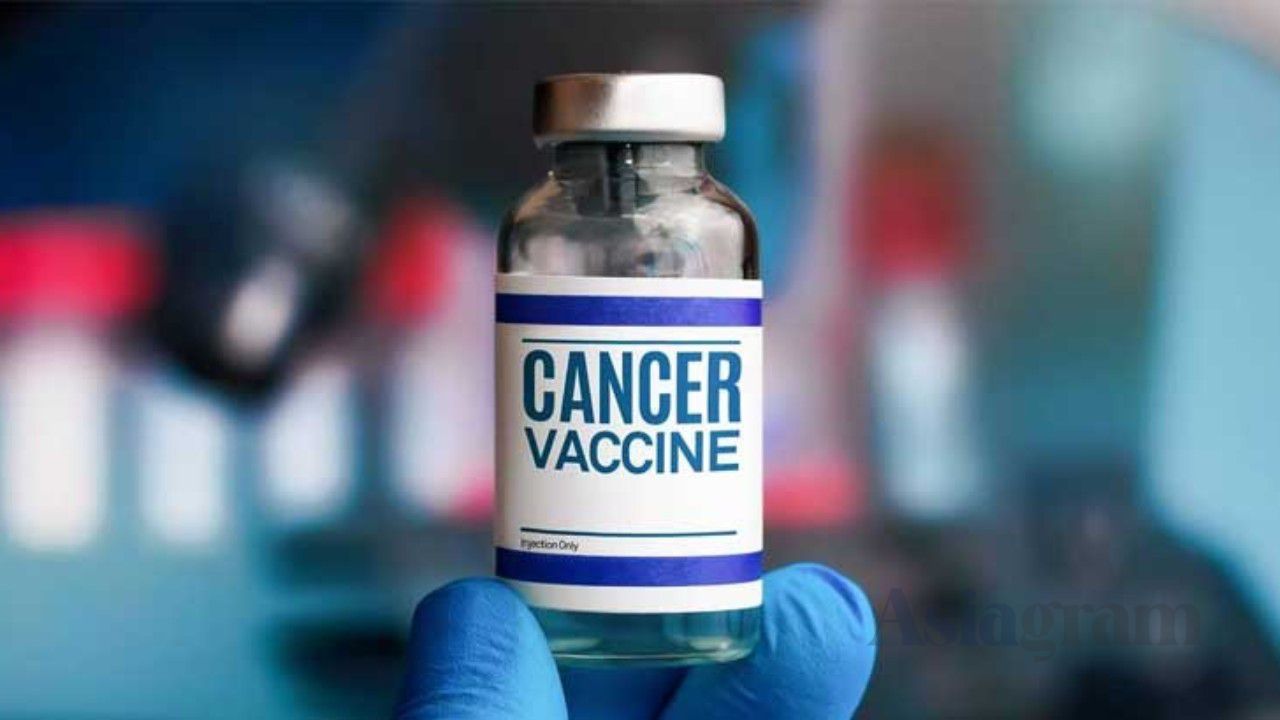
The vaccine is designed to
identify specific genetic changes in a patient’s tumour and train the immune
system to target cancer cells carrying those changes.
Researchers said no
significant new safety concerns emerged from combining the vaccine with
Keytruda. Most vaccine-related reactions were similar to the mild symptoms
commonly seen after flu or COVID-19 vaccinations.
Trials are also underway to explore
the technology in other cancers, including lung, bladder, kidney, pancreatic
and stomach cancers. Roche and BioNTech are separately testing mRNA-based
cancer vaccines for colorectal and pancreatic cancers.
Experts say the positive melanoma results could give further momentum to research into personalised cancer vaccines and potentially expand the use of mRNA technology in cancer treatment.
Topic : Health HealthNews PublicHealth Cancer Vaccine
Tuesday, September 1, 2026
Published Date : August 22, 2026